
Discography BALLAD

Discography BALLAD
Explore Ballad music by 9000UK, built around emotional honesty, slow pacing, and lyrics shaped by personal experience and quiet intensity.
BALLAD Music by 9000UK
This Ballad discography by 9000UK focuses on emotion carried through simplicity. Arrangements remain minimal, giving space to vocals, lyrics, and melody. The pacing stays deliberate, allowing each line to land with intent rather than urgency.Themes include love, loss, endurance, regret, and hope, presented without exaggeration. Instrumentation often features piano, acoustic guitar, and subtle ambient textures, supporting the narrative rather than competing with it.
These ballads suit listeners seeking emotionally direct songs with clear storytelling and controlled dynamics. The tracks reflect a consistent writing approach rooted in sincerity, silence, and gradual emotional release.

Mana And Pateras
A deeply emotional Greek ballad about parental love, sacrifice, faith, and the lasting strength of family bonds that continue beyond loss and time.
Written by Ioannis Ntizoglou: owner of Royalties 2025 all rights reserved
Mana And Pateras
(Η Μάνα Και Ο Πατέρας - Ελληνική Συναισθηματική Μπαλάντα By 9000UK)
(Lyrics by Ioannis Ntizoglou - Greek Ballad)
This song is a heartfelt tribute to family, rooted in Greek culture, memory, faith, and emotional endurance. It presents the mother and father as the emotional and spiritual foundation of the home, showing how their love continues to shape the family even after death.
The intro immediately creates warmth and familiarity. Growing up in the same house “with love and strong faith” establishes a traditional family environment where unity and resilience are central. The mother is portrayed as a rock, while the father is described as having a golden soul. These images define them not through wealth or status, but through character and sacrifice.
Verse 1 introduces grief with restraint and dignity. The father’s passing in January is direct and personal, but the focus quickly shifts toward the mother’s devotion during his final days. The line describing her holding “the hand of heaven” is one of the strongest symbolic moments in the song. It merges caregiving, spirituality, and farewell into a single image.
The verse also captures the emotional reality of watching someone remain beside a loved one until their final breath. The prayer, tears, and enduring love feel authentic because they are expressed through simple details rather than exaggerated language.
The pre-chorus introduces memory as something living within the home. Voices continue to exist through emotional presence, suggesting that family bonds survive beyond physical loss. This reflects a strong Greek cultural understanding of family as permanent rather than temporary.
The chorus is the emotional centre of the song. The mother is celebrated as the “light of life,” raising her children through hardship with faith and determination. Mentioning “two sons and one daughter” grounds the song in personal reality, while the image of the father proudly watching from above introduces spiritual continuity without becoming overly religious.
The image of five grandchildren around the table is particularly effective. The table symbolises family continuity, shared memory, and generational connection. Love is shown not as emotion alone, but as something inherited and carried forward.
Verse 2 softens the tone with intimate domestic imagery. The mother speaking for hours and cooking meals “full of hugs” transforms ordinary family moments into expressions of affection and care. This section is emotionally strong because it focuses on familiar behaviours many listeners recognise from their own family experiences.
The references to children and grandchildren deepen the sense of unity. Everyone remains connected “like a prayer,” reinforcing the spiritual and emotional bond holding the family together.
The second pre-chorus adds specifically Greek Orthodox imagery through candles, icons, and whispered prayer. These details ground the song culturally and give it authenticity. Faith here is quiet, humble, and integrated into daily life rather than presented dramatically.
The final chorus gains additional emotional weight because the listener now fully understands the family structure and emotional history behind the lyrics.
The outro closes beautifully. Time takes people away physically, but the family remains alive “like fire.” The final image of the mother as strength, the father as guide, and the home remaining forever alive creates a powerful sense of continuity and emotional permanence.
The greatest strength of this song is sincerity. It feels personal, culturally grounded, and emotionally honest. It succeeds because it focuses on real family moments instead of abstract sadness.
The only weakness is that some symbolic phrases, such as light, storms, and fire, are familiar within emotional ballads. More unique details about the father’s personality or shared family memories would make the storytelling even more distinctive.
Overall, this is a touching and authentic Greek ballad about love, sacrifice, grief, faith, and the enduring strength of family across generations.

Turning Away From Your Tomorrow
A soft-rock breakup-from-control anthem where the narrator rejects someone else’s scripted future, refuses to carry their blame, and chooses self-respect, boundaries, and a life that finally belongs to them.
“Turning Away From Your Tomorrow” is a soft rock declaration of independence from manipulation, guilt, and pre-written roles. From the opening image of “shadows” tracing the roads the other person follows, the song frames the relationship as a constructed reality—“borrowed truths” and “painted fate”—where one side controls the narrative and expects loyalty as a prop rather than a partner.
The core story is a boundary being drawn in real time. The narrator refuses to live inside a future designed by someone else: “futures shaped to fit your claims” and “maps that suit your story” suggest a dynamic where responsibility is shifted, outcomes are staged, and blame is weaponised. The lyric “then curse the fire when you spark the flames” captures the hypocrisy at the heart of it: the other person creates chaos, then condemns the consequences as if they were someone else’s fault.
Emotionally, the track moves from wary clarity to firm resolve. The repeated pre-chorus—“I hear the echoes in your call, but I won’t answer you at all”—isn’t cold; it’s protective. It communicates a deliberate refusal to re-enter the cycle, even when the pull of familiarity or pressure returns. This repetition functions like a mantra: the narrator is rehearsing a new boundary until it becomes unbreakable.
The chorus turns the song into a manifesto of self-possession. “Stand firm in the moment” is a rejection of fear-based future-tripping and coercion; it’s about protecting what remains “worth keeping” inside the self—dignity, peace, identity. The symbolism of “rules” twisting into “shackles” implies that what may have been presented as standards, expectations, or “how things should be” has become control. Even so, the narrator won’t beg, won’t perform remorse, and won’t play the role of the compliant character in someone else’s drama.
A crucial thread is moral separation. “I won’t stand as your witness when you cross another line” carries courtroom weight—refusing complicity, refusing to validate wrongdoing, refusing to be used as credibility. “No, I won’t carry your burden just because you call it ‘mine’” exposes emotional outsourcing: the other person renames their mess as shared responsibility. The narrator’s refusal is the turning point—this is where the song shifts from heartbreak to liberation.
Verse 2 deepens the sense of inevitability: “I’ve seen the ending long before” suggests pattern recognition, the slow realisation that apologies and pledges are fragments rather than change. The “different harbours” image contrasts safety and stability against “storms you still ignore,” portraying the narrator’s exit not as abandonment, but as survival and growth.
Verse 3 makes the power dynamic explicit: “your stage is set, your lines rehearsed.” The relationship becomes theatre—scripted conflict, predictable emotional beats, and a cast list where the narrator is expected to play a supportive role. “Cross out my name from your arrangements” is both practical and symbolic: cut the ties, remove access, end the entitlement. The outro seals the transformation—turning away isn’t just leaving someone; it’s “finally choosing life that’s mine,” a clean, self-authored future that replaces the one imposed.
Overall, the song’s tone is resolute, defiant, and quietly triumphant—less about revenge, more about reclaiming agency. It’s a boundary anthem for anyone who has been asked to carry blame, play witness, or live inside someone else’s version of the story—and decided to step aside and begin again.
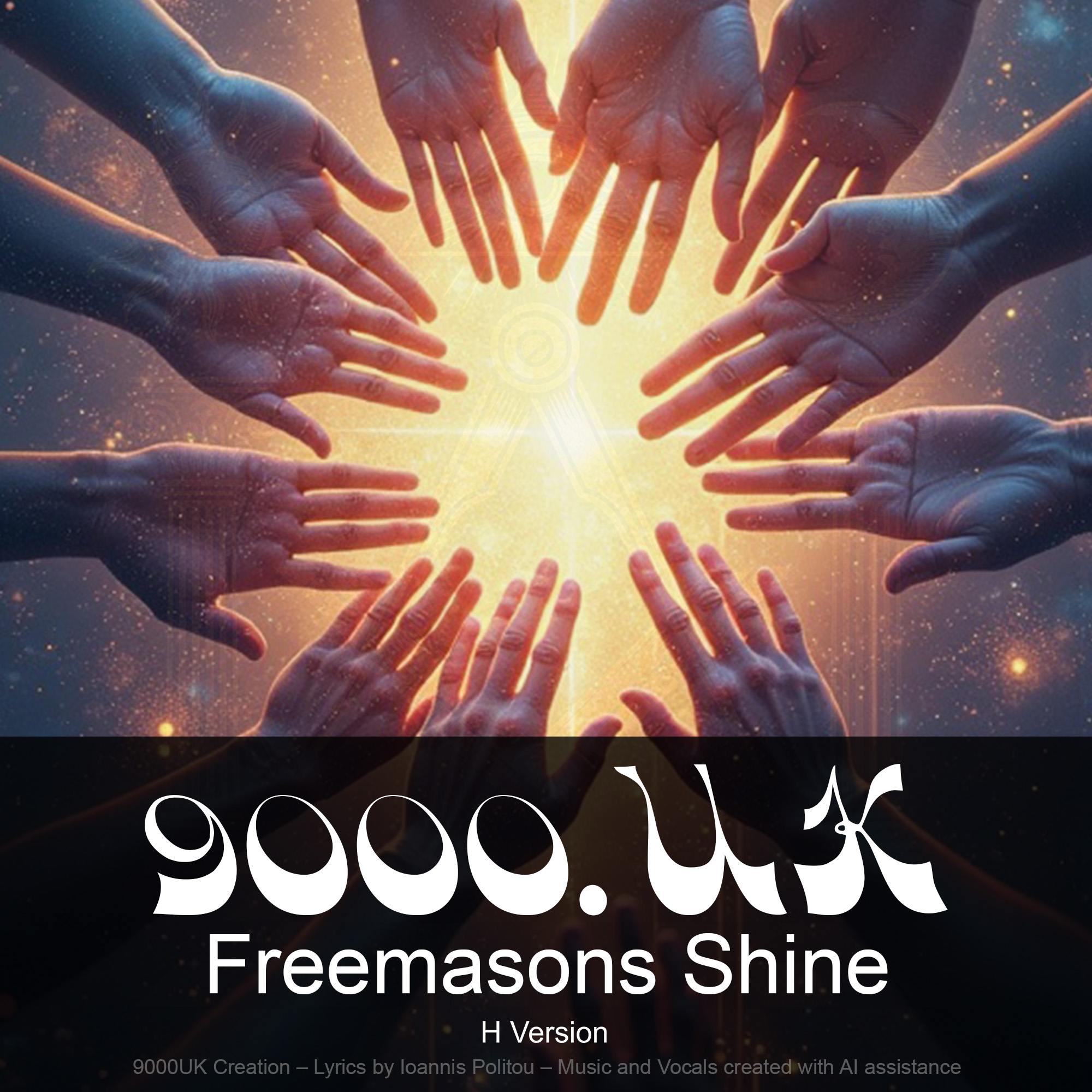
Freemasons Shine
An R&B celebration of the real Freemasons—an organisation built on charity, unity, personal growth, and quiet acts of good—shining light where the world is dark and lifting people with truth, compassion, and community.
“Freemasons Shine” is an R&B-inspired tribute to the genuine heart of Freemasonry, countering stereotypes with warmth, clarity, and soulful storytelling. Through smooth melodic delivery and emotionally grounded lyrics, the song paints a picture of Freemasons as builders not just of stone, but of character, charity, and healing across generations. It highlights their long history of service, their moral foundations, and the quiet but powerful ways they uplift communities without seeking glory.
The first verse traces the organisation’s origins from medieval stonemasons—craftsmen who built cathedrals that still stand today—to modern members who now build with principles, compassion, and intellect. Rather than spotlight or praise, their works are often silent: feeding the hungry, supporting hospitals and schools, and providing scholarships that help individuals rise. The emphasis on quiet good dismantles the popular idea that Freemasonry is hidden for sinister reasons; instead, the secrecy is tied to humility, not danger.
The pre-hook reframes Freemasonry with tenderness and truth: “It’s not a club of mystery… It’s brotherhood and history.” The focus is on helping those “who fall behind,” making the lodge a place of uplift, inclusivity, and self-improvement rather than a shadowed institution.
The hook becomes the heart of the message:
“Freemasons shine in the darkest nights.”
This line positions the organisation as a steady source of light during times of need. The hook highlights love, peace, and truth—not secrecy in a fearful sense, but secrecy rooted in tradition, symbolism, and discretion. The phrase “the love is there” reinforces that behind all ritual lies genuine care and service.
Verse 2 continues the corrective narrative by addressing outdated misconceptions. The idea that Freemasonry is “only men” is dismissed with clarity, noting the presence and strength of women’s lodges around the world. The song emphasises accountability rather than cover-ups: those who break trust or violate principles are not protected. This reinforces the moral integrity at the heart of the craft.
The pre-hook again highlights openness: all faiths are welcome, and the organisation is not tied to dark worship or conspiracy but to truth-seeking, peace, and internal growth. It demystifies the lodge through steady, factual reassurance.
The bridge draws on historical figures—Mozart, George Washington—men who were not perfect but contributed to society and found value in the lodge’s principles. It recognises that all people have flaws yet can grow, and that Freemasonry is one of the spaces where that growth is nurtured. The lodge becomes a place of inner illumination, guiding members toward moral refinement and community service.
The final hook reiterates the central message with emotional depth. The imagery of fire kept alive symbolises continuity, tradition, and the commitment to bringing truth and kindness into the world.
Overall, “Freemasons Shine” is a soulful correction of myth through music—an empathetic, respectful, and truthful portrayal of Freemasonry as a force of light, unity, charity, and moral uplift. Through R&B warmth and lyrical honesty, the song honours the misunderstood by revealing their real legacy: to build, to serve, and to shine.
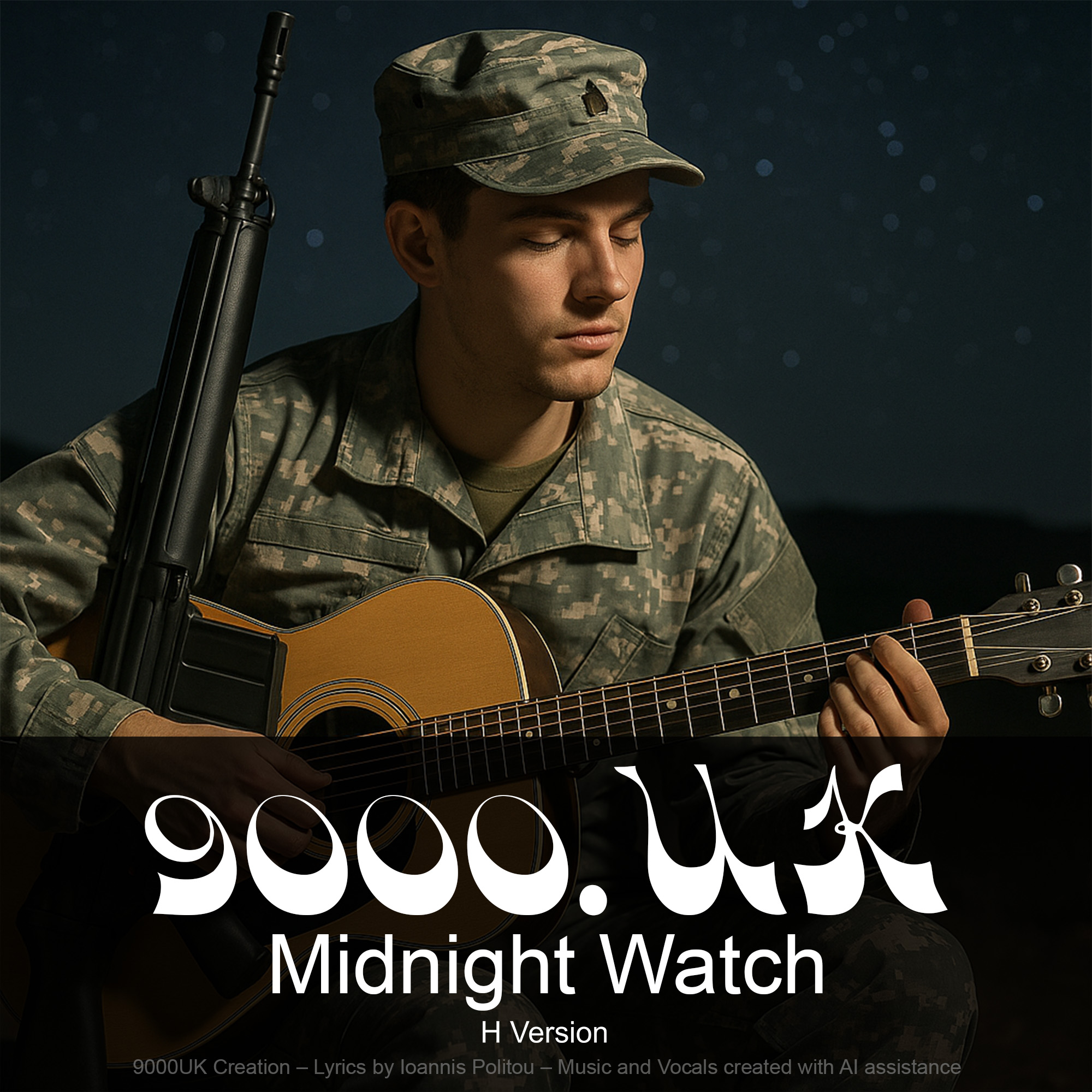
Midnight Watch
A reflective rock ballad about a solitary night watch, capturing a young soldier’s quiet coming-of-age moment where duty, memory, and inner freedom meet beneath the stars.
Midnight Watch frames a single night shift as a turning point between youth and adulthood. Set in the still hours between two and four, the song places the narrator alone with responsibility, silence, and thought. While the camp sleeps, the night becomes alive with meaning, turning stars into stories and quiet into a space for belief and self-discovery.
The first verse grounds the song in duty and environment. Boots on dirt, a rifle at ease, and hours that stretch without end establish discipline and routine. At the same time, the narrator’s inner world expands. Dreams rise higher than the trees, and the wind carries more than sound. It feeds a “quiet fire”, symbolising purpose forming beneath restraint. The contrast between physical stillness and mental movement drives the emotional core.
The chorus defines the central theme. While the world dreams, the narrator remains awake, suspended between responsibility and reflection. Guarding time becomes both literal and symbolic, protecting others while allowing the self to wander freely. The slow heartbeat and drifting soul suggest calm acceptance rather than fear, with the night acting as a threshold where identity begins to take shape.
Verse two deepens introspection. Silence brings clarity, and the sky becomes a canvas for memory. Time stretches, each second holding weight, while thoughts roam beyond the fence line toward home and belonging. The sense of distance strengthens emotional connection, making home feel closer through absence rather than proximity.
The bridge introduces fragility and maturity. The possibility of tomorrow fading adds quiet gravity, yet the response remains peaceful. The narrator claims the present moment as enough, finding belonging in the hush before dawn. This marks the coming-of-age shift, acceptance of uncertainty paired with inner steadiness.
In the final chorus, the song broadens its meaning. The watch becomes symbolic of guarding light itself, with stars offering redemption and the wind taking on a prayer-like role. The narrator stands as an ordinary person carrying responsibility, imagination, and hope at once.
Midnight Watch closes where it began, with the shift unchanged but the narrator transformed. Chains fall away not through action, but through awareness. The song works as a cinematic reflection on duty, solitude, and the quiet moments where adulthood arrives without announcement.

Why Do Beautiful Hearts Always Get Hurt
An emotional rock ballad reflecting on why kind, trusting people often suffer most, using flower imagery to portray innocence, exploitation, and the quiet resilience of love that survives repeated harm.
Why Do Beautiful Hearts Always Get Hurt explores the painful imbalance between kindness and consequence. The song asks why gentle, open-hearted people so often become targets for cruelty, framing innocence as visible and therefore vulnerable. From the opening questions, the tone is reflective and wounded, placing compassion in direct conflict with a world driven by extraction rather than care.
Nature imagery shapes the narrative. Beautiful hearts appear as wildflowers growing deep in the woods, rare, unguarded, and undesigned for survival through force. Their harm is not random. The recurring question about choosing which flower to ruin points toward conscious human behaviour, where brightness attracts greed and purity invites interference. Beauty becomes something taken rather than protected.
Trust functions as both gift and cost. It falls like rain, healing damaged ground while eroding the giver. The narrator recognises personal complicity in this cycle, identifying as both thorn and rose, someone shaped by love and injury alike. Experience brings awareness, yet compassion remains intact, reinforcing the song’s coming-of-age core.
The chorus carries the emotional weight, repeating the central injustice. Pure souls fall hardest, not due to weakness, but due to visibility. Standing proud draws attention, and attention invites harm. The act of taking petals while leaving pain behind reframes love as something misused and rebranded to excuse damage.
The bridge sharpens the message. Kindness threatens because it reflects truth back to those unwilling to face themselves. Love causes bleeding, yet it continues to plant hope, even in hostile ground. The closing lines affirm resilience without romance. Beautiful hearts bloom again, not because the world protects them, but because loving remains part of their nature.
The song stands as a quiet, cinematic reflection on innocence, empathy, and endurance, capturing a moment where emotional maturity arrives through loss, yet compassion survives.

Now I Know Who I Am
An emotional rock ballad about self-discovery and resilience, following a coming-of-age journey where struggle, connection, and reflection lead to clarity, acceptance, and inner strength.
Now I Know Who I Am captures the moment when identity stops feeling borrowed and begins to feel owned. The song traces a path from confusion and self-doubt toward stability, shaped by memory, endurance, and emotional connection. From the opening lines, the narrator admits to running from their shadow, living inside expectations and versions of self that never truly fit. Heartbeats feel inherited, signalling a life spent trying to meet standards formed elsewhere.
The first verse grounds the journey in quiet conflict. Nights spent fighting silence and roads that circle back home suggest repetition and emotional stagnation. Scars and tears do not disappear, instead they harden into structure, turning experience into something solid and instructive. Pain is not erased, it becomes material for growth.
The pre-chorus introduces transformation through connection. The narrator expects to fade under noise and pressure, yet another presence brings light and direction. This influence does not rescue them, it reorients them, pulling them closer to their own truth and permanently altering their sense of self.
The chorus delivers the emotional centre. Knowing who you are does not remove struggle, it creates stability within it. Standing while the world falls apart defines maturity as resilience rather than control. Growing up is framed as release, letting go of old versions while protecting belief, hope, and inner glow.
Verse two revisits vulnerability with greater clarity. Breaking moments and avoided truths surface, yet fire replaces emptiness. Change becomes visible in reflection, water and rain acting as mirrors for internal shift. The ghosts of former fears lose their power, no longer able to claim attention or identity.
The bridge sharpens the message. Recognition and fame lose importance, replaced by truth and emotional honesty. Singing through pain becomes an act of self-respect rather than performance. Love and presence outweigh validation.
The final chorus resolves the journey with simplicity. Certainty no longer depends on plans or approval. A voice, a heart, and openness become enough. Letting go remains necessary, yet love anchors the process. The outro closes quietly, reinforcing acceptance rather than triumph.
Now I Know Who I Am works as a cinematic coming-of-age reflection, focused on emotional maturity earned through struggle, connection, and the courage to stand without disguise.

Mountain Stroll
An emotional rock ballad about leaving the familiar behind and finding identity through solitude, struggle, and reflection during a transformative journey into adulthood.
Mountain Stroll captures a quiet turning point where distance from the familiar creates space for self-understanding. Set against a physical ascent, the song frames growth as movement through cold air, steep paths, and internal resistance. From the opening lines, the journey feels necessary rather than optional, with each step carrying emotional weight and anticipation.
The verses establish separation from the past. Leaving the town symbolises stepping away from inherited identity, noise, and expectation. As the environment opens into sky, trees, and rivers, memory becomes softer and more honest. Nature replaces voices, allowing reflection without judgement. The mountain acts as both obstacle and witness, holding the echoes of who the narrator was and who they are becoming.
The pre-chorus reframes hardship as proof rather than punishment. Falling and climbing build confidence through repetition, while reaching the edge of shadow represents clarity earned through effort. Self-recognition arrives gradually, not as revelation, but as acceptance.
The chorus anchors the emotional core. The mountain stroll becomes a metaphor for internal alignment, where silence restores balance and scars gain meaning. Stone and gold imagery positions pain as structure and value, shaping strength rather than erasing softness. Control comes through listening rather than force.
Verse two deepens the release. The river reflects lost dreams and dissolves emotional weight carried over time. Unshed tears melt into understanding, suggesting healing through acknowledgement rather than confrontation. Scars shift from damage to markers of design, reinforcing growth through experience.
The bridge acknowledges uncertainty. There is no map for identity, only forward motion through memory and challenge. Facing height symbolises courage, while seeing one’s name in light signals ownership of selfhood.
The final chorus resolves the journey with calm confidence. Wholeness replaces searching, boldness replaces doubt, and dawn signals continuity rather than ending. Mountain Stroll closes as a coming-of-age reflection where home becomes internal, defined by resilience, awareness, and the ability to carry peace wherever the path leads.

Skyline Of Dreams
Skyline of Dreams is a rock ballad about enduring love and shared resilience, where scars and tears become symbols of survival, hope, and the strength to stay alive together.
Skyline of Dreams explores the weight of growing up while holding onto fragile hopes. The song follows two people moving through youth with uncertain hands and untested courage. Dreams appear as delicate objects carried carefully through a loud and unforgiving world.
The imagery relies on contrasts between silence and storm, light and darkness, echoes and marks. These symbols frame an emotional journey where support from a loved one becomes the only stable point. The repeated idea of a skyline fading represents moments when confidence disappears and the future feels unreachable. In those moments, human connection lifts the narrator back to solid ground.
Each verse builds on experience as proof of endurance. Ghosts, burned roads, and screaming rain stand for past struggles and abandoned versions of the self. The lyrics insist those forces cannot destroy what genuine love has built. Fire and seams tearing show pressure testing the bond, and hope returning dreams shows emotional restoration.
The chorus delivers the emotional centre of the track. Scars act as maps, recording history on the body and heart. Tears become signs pointing toward meaning rather than defeat. Survival is shared, expressed through two hearts beating in unison. This creates a portrait of love functioning as shelter and as strength.
The bridge widens the theme into collective defiance. Voices screaming in the rain suggest refusing to disappear quietly. Hope rising out of pain transforms suffering into momentum. Names being forgotten no longer matters because the moment itself stays preserved.
The outro returns to calm after intensity. Through silence and fight, the narrator recognises presence as victory. The emotional tone remains sincere and powerful throughout, delivering a classic rock message about loyalty, memory, and shared survival.

Soul Before Skin
A love ballad about enduring connection beyond physical change, celebrating devotion to a partner’s soul, character, and shared life through time.
“Soul Before Skin” centres on love rooted in emotional depth, memory, and shared experience rather than physical appearance. The lyrics present the soul as the constant force within a relationship, remaining steady as time reshapes bodies, faces, and circumstances. Love becomes an anchor tied to identity and presence rather than surface attraction.
The narrative follows a relationship across years of change and growth. Seasons, aging, and life’s challenges shape both partners, yet the emotional bond strengthens through shared history. The artist recognises physical beauty while placing greater value on personality, spirit, and the inner qualities that guide connection.
The chorus reinforces devotion to essence rather than form. Mirrors and visible lines represent time’s passage, while recognition of the same person within reflects emotional continuity. Love remains steady despite transformation, grounded in familiarity, loyalty, and deep understanding.
Symbolism throughout the track highlights permanence within change. Fire represents the enduring spark of identity. Storms and shores reflect trials overcome together. Stars and northern light evoke guidance and direction, suggesting the partner’s spirit acts as a constant point of orientation even as life evolves.
Emotionally, the tone carries warmth, tenderness, and quiet certainty. The lyrics balance vulnerability with commitment, acknowledging aging and uncertainty while reaffirming stability and trust. The focus stays on appreciation of character, shared memories, and emotional presence.
The song ultimately presents love as a bond that deepens through time rather than fades. It positions connection of soul and mind as the foundation of lasting devotion, showing how relationships grounded in understanding and respect remain resilient as everything else changes.