Discography Dark

Discography Dark
Discover Dark music by 9000UK, driven by rhythm, warmth, and melodic movement. These tracks blend groove-led energy with modern production, creating uplifting and vibrant listening experiences.
Dark Music by 9000UK
This Dark collection by 9000UK blends rhythmic swing, melodic warmth, and modern production. The tracks focus on groove, vocal flow, and upbeat pacing while keeping arrangements clean. Themes lean toward confidence, connection, and atmosphere. The music suits social settings, summer playlists, and relaxed movement.
Stolen Country
A dark, introspective track about exile and betrayal, portraying a lone journey through loss, distrust, and emotional detachment after a homeland collapses into corruption.
“Stolen Country - Cold Roads” delivers a stark and unfiltered portrayal of displacement, political disillusionment, and emotional isolation. Set against a dark trap backdrop, the song uses cold, minimal imagery to reflect a world stripped of warmth, trust, and belonging. The narrative centres on forced separation from a homeland that has lost its integrity, leaving the individual in a state of constant movement without direction or refuge.
The intro establishes an immediate sense of emptiness and deprivation, with “cold air” and “no light” symbolising both physical and emotional darkness. The absence of “home” and “right” introduces themes of injustice and exclusion, while the phrase “alone in the night” frames the journey as solitary and ongoing.
In the first verse, the departure from the homeland is presented as irreversible, marked by systemic collapse and moral decay. Lines such as “truth got buried, power rose” and “nobody cares, everyone knows” highlight a collective awareness of corruption paired with inaction. The loss of hope is direct and final, described as something that was actively destroyed. Trust, once foundational, is completely eroded, leaving the narrator disconnected from both institutions and individuals.
The pre-chorus intensifies the emotional state, shifting from external observation to internal impact. Physical reactions such as shaking and numbness reflect trauma and instability, while the admission of not belonging anywhere reinforces the theme of identity loss.
The chorus acts as the emotional core, repeating the isolation of travelling alone and the absence of any place to call home. The phrase “a land that forgot its soul” suggests a deeper cultural and moral collapse, while “roads that lead to cold” extends the metaphor of emotional emptiness into the physical journey. Carrying unseen pain adds depth to the character, indicating internal struggle beneath outward movement.
The second verse expands the critique toward leadership and systemic exploitation. Politicians are depicted as deceptive and self-serving, with “taking all, giving none” summarising imbalance and neglect. The consequences are shown through broken families and lost futures, grounding the broader critique in human impact. The repetition of selfish gain built on “silent pain” reinforces the idea of suffering that is both widespread and ignored.
The final pre-chorus continues the descent, with imagery of instability and lack of safety. The absence of any place to settle confirms that the journey is not temporary but a new reality.
The outro strips everything back to its bare essentials: “No roots, no base, just time and space.” This reduction reflects complete detachment from identity, place, and stability. The repetition of movement without destination reinforces a sense of endless drift, closing the track without resolution.
Overall, the song presents a raw and grounded exploration of exile, distrust, and survival in the aftermath of systemic failure. The tone is cold, heavy, and introspective, capturing the psychological weight of losing both homeland and identity while continuing forward with no clear end.
Silent Poison
A dark pop narrative about hidden betrayal and quiet manipulation, where calm appearances conceal dangerous secrets that slowly surface.
Silent Poison - Dark Pop Drama unfolds as a tense psychological story about deception, trust, and the quiet spread of emotional damage. The song creates an atmosphere where silence carries weight and danger moves beneath composed appearances. From the opening whisper and cold air, the environment feels watchful and uneasy, suggesting that something unseen is unfolding behind the calm surface.
The first verse introduces fractured relationships through imagery of broken reflections and guarded emotions. Secrets lie beneath the skin while promises gradually lose strength. Velvet shadows and echoing walls build a setting where elegance hides instability. The transformation of friends into pretence highlights how trust erodes when honesty disappears.
The pre-chorus intensifies the tension with restrained emotion. Quiet breathing and exposed vulnerability signal the moment before truth begins to surface. The danger described is subtle rather than explosive, moving slowly through the environment and growing stronger in silence.
The chorus explores the idea that hidden lies cannot remain buried. The night becomes a witness to whispered deception, suggesting that time reveals what people try to conceal. Smiling faces hiding a game reinforce the theme of manipulation masked by charm. Words hover like threats waiting to fall.
Verse two deepens the sense of conflict. Moonlight stretching across the floor creates a cinematic setting where every step feels like confrontation. Shadows learning your name symbolise suspicion growing more personal. The walls remembering every sound suggests that betrayal leaves traces that cannot disappear.
The closing lines leave the narrative unresolved. No confession appears and no defence is offered. Only shadows and suspense remain. Emotionally, the song carries a cold, dramatic tone, portraying betrayal as a quiet force that spreads beneath appearances until the truth inevitably surfaces.
Low Signal Rooms
A dark electronic drama track about surveillance, disconnection, and quiet tension, set in spaces where identity blurs, control feels unseen, and silence carries risk.
“Low Signal Rooms – Dark Electronic TV Drama” explores isolation and unease inside controlled, low-visibility environments. The intro establishes a subdued setting shaped by neon bleed, concrete corridors, and ambient hum, where security feels fragile and presence feels monitored rather than shared. Light and sound behave unpredictably, setting a tone of distrust and withdrawal.
The verses focus on distortion and detachment. Flickering streetlights, borrowed lives behind glowing windows, and coded haze suggest fragmented realities and mediated identities. Physical sensations slow down while awareness sharpens, with wires under skin and measured breath signalling internal regulation under pressure. Communication breaks down through static, avoidance, and silence, reinforcing separation rather than clarity.
The chorus introduces the central metaphor of low signal rooms as spaces of waiting and constraint. Time bends, perception shifts, and appearances lose reliability. Screens, shadows, and night cycles replace certainty with repetition, suggesting systems resetting while individuals remain trapped inside them.
As the track progresses, movement becomes calculated and minimal. Names dissolve, meaning slips, and decisions reduce to survival choices rather than expression. The outro closes without resolution, leaving only residual light and lost signal. The emotional tone stays restrained, tense, and watchful, presenting danger as subtle and constant rather than explosive, suited to slow-burn television drama and psychological suspense.

Pressure On
A high-tension electronic trailer track portraying relentless urban pressure, where time, risk, and exposure force decisive action with no margin for error.
“Pressure ON – High-Tension Film Trailer Track” frames the city as an unforgiving environment driven by time and surveillance. The intro establishes immediate confinement, cold concrete, sirens, and an internal clock amplifying stress. Awareness becomes survival, with focus replacing reflection from the opening moments.
The verses rely on sharp, mechanical imagery. Flickering lights, blurred faces, engines, and heavy bass mirror a system in constant motion. Every step feels unstable, with no safety net or backup available. Experience is shaped through impact and consequence, not preparation, reinforcing a mindset hardened by repeated exposure to risk.
The chorus concentrates pressure into a single command state. Red lights, public space, and the threat of collapse heighten visibility and stakes. Fear remains controlled rather than expressive, while momentum overrides hesitation. Silence acts as a trigger, intensifying vulnerability once sound drops away.
As the track progresses, options narrow. There are no heroes, explanations, or clean exits, only forward movement and cost. The outro locks the scene without resolution, fading to black while tension continues beneath the surface. The emotional tone stays cold, focused, and cinematic, presenting pressure as a permanent condition rather than a momentary surge.
After Midnight Signal
A dark electronic lyric capturing late-night urban tension, where silence, surveillance, and restrained movement turn the hours after midnight into a controlled space of watchfulness and unresolved pressure.
After Midnight Signal unfolds inside a city that never fully rests. The intro places you in a low-light state of alertness, screens flickering, sleep absent, and anticipation hanging in the air. The environment feels mechanical yet alive, establishing a mood where time loops and something unseen waits to activate.
Verse one builds a noir-like atmosphere through fragmented urban imagery. Neon rain, humming stairs, and borrowed names suggest anonymity and displacement. Truth appears unstable, constantly reorganising under artificial light. Silence becomes strategic rather than empty, implying awareness, restraint, and power held through observation instead of speech.
The pre-chorus introduces coded systems. Heart rate aligns with streetlight patterns, and signals collide. This frames the city as a network where human rhythm merges with infrastructure. Pressure rises without explosion, reinforcing the track’s controlled intensity.
The chorus defines the emotional centre. Movement slows after midnight, not from hesitation, but from intent. There is no confession or release. Tension is preserved, not resolved. Staying unseen and holding space between scenes suggests existing in transition, operating in margins rather than outcomes.
Verse two deepens this quiet surveillance. Concrete becomes a witness, time shifts sideways, and every step carries consequence. Voices pass close but never connect, heightening isolation. The contrast between surface calm and internal heat maintains suspense, presenting control as endurance rather than escape.
The outro refuses closure. Lights dim, signals persist, and nothing truly ends. The story continues without resolution, mirroring late-night hours where actions ripple forward quietly. The tone remains restrained, atmospheric, and watchful, suited to dramatic visual narratives where tension lives in what stays unsaid.
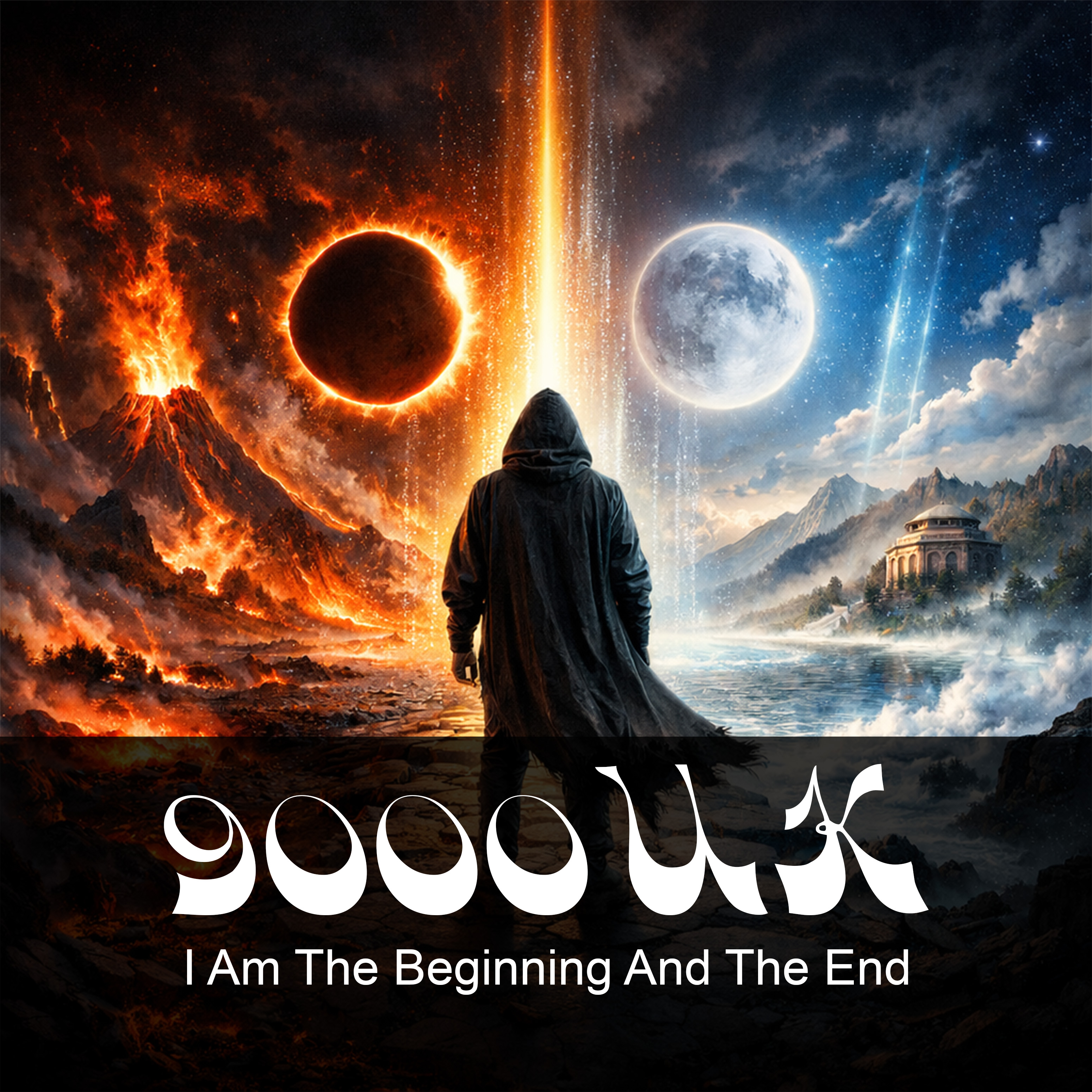
I Am The Beginning And The End
A commanding rap voiced as an elemental force, asserting absolute balance and consequence, where choice, boundaries, and cause and effect define the line between survival and collapse.
I Am The Beginning And The End speaks from a position beyond identity, time, and negotiation. The narrator is not a person but a force that governs cycles, limits, and outcomes. From the opening warning, the song establishes authority without volume. Presence alone shifts pressure, air, and ground, signalling a boundary rather than a confrontation.
Verse one introduces the core idea of borrowed time. Life is framed as temporary access rather than ownership. Breath, sustenance, and rest are named explicitly, grounding power in fundamentals rather than symbolism alone. The force stands outside rumours, trends, and phases, reinforcing permanence. This is not personality, it is structure.
The pre-chorus reframes danger as design. Signs exist, paths remain unowned, and refusal to recognise limits carries consequence. There is no malice in this system. It operates whether acknowledged or ignored.
The chorus expands the scope. Beginning and end coexist, as do light and dark. Creation and destruction share the same source. Striking the flint symbolises ignition through friction, progress born from resistance. The repeated listing of basic human needs reinforces how close this force sits to everyday existence. Survival depends on respect for balance.
Verse two tightens the tension. Comfort dissolves under scrutiny. Habits thin out, wants unravel, and silence follows a single pull. The narrator does not chase or threaten. Stillness becomes control, showing outcomes do not require pursuit. Balance responds automatically once disturbed.
The bridge explains the mechanism. Existence listens through cause and effect, not language. The body senses consequence before the mind rationalises it. Choice arrives first, decline follows only if ignored.
The final chorus restates the duality with clarity. Yes and no, order and chaos, opening and sealing doors all share the same origin. Retreat is not weakness, it is recognition. Some thresholds exist to be respected, not crossed.
The outro closes without escalation. The warning has already been given. Responsibility shifts fully to the listener. The emotional tone remains calm, absolute, and restrained throughout, presenting power as inevitability rather than aggression.
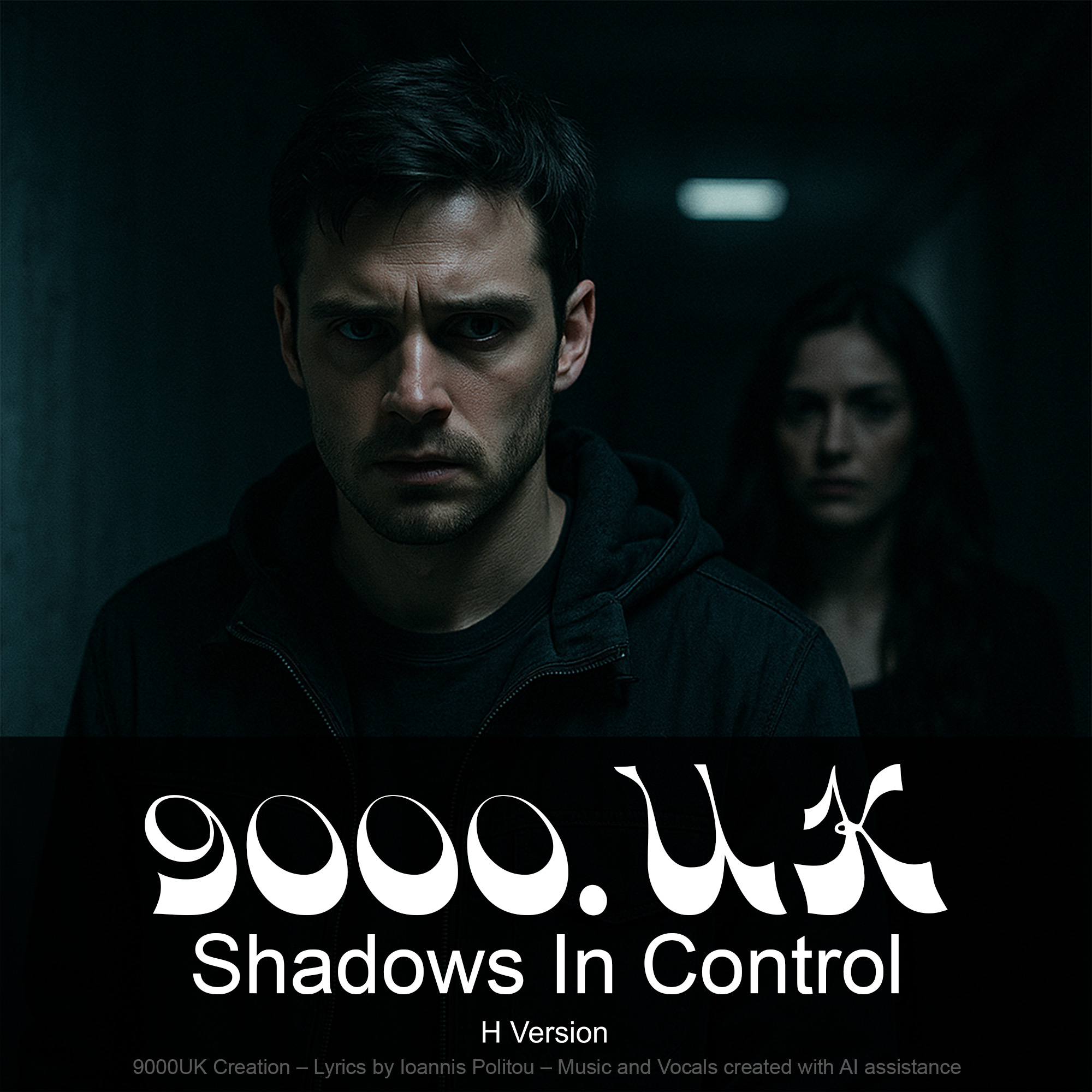
Shadows In Control
Shadows In Control portrays a claustrophobic fight against unseen forces, capturing panic, surveillance, and inner darkness as escape narrows and control slips away.
Shadows In Control is a dark electronic track built around pressure, fear, and the sense of being hunted by forces both external and internal. From the opening shouts, the song throws you into an enclosed space where movement triggers consequence and silence feels dangerous. The atmosphere stays tense and mechanical, reinforced by imagery of static, machines, and unseen eyes.
Verse 1 establishes a world where truth erodes with every step. Breathing static and broken silence suggest interference, distortion, and loss of clarity. The “endless machine” frames the setting as systemic rather than personal, a structure you move inside but do not command. Surveillance is implied rather than named, which sharpens the unease.
The hook strips language down to instinct. Short commands, “run” and “hide,” mirror panic responses, while “no escape tonight” removes any illusion of relief. “Dark inside” shifts the threat inward, suggesting fear and control operate as much through the mind as through the environment. The repeated title line positions shadows as the dominant force, silent, everywhere, and directing outcomes.
Verse 2 slows the body while the danger intensifies. A heartbeat echoing like a drum contrasts with a “slow” pulse, creating a disorienting push and pull. Questions burn but answers numb, pointing to awareness without resolution. Secrets surfacing imply exposure, confession without safety, and pressure closing in from all sides.
The bridge expands the paranoia. Whispers circling and thin walls remove privacy altogether. Lies crawling in suggests corruption and contamination rather than sudden betrayal. The absence of safety or knowledge reinforces helplessness, while the “dark current” introduces an invisible flow pulling everything along, indifferent to resistance.
The final hook repeats with greater weight, no progression, no rescue, only confirmation. The outro’s chant of “shadows” seals the loop, implying the threat never leaves. Emotionally, the track stays cold, urgent, and oppressive, designed to keep you alert rather than comforted. The song reads as a portrait of control systems, psychological fear, and the moment when survival replaces certainty.