
Discography Dark Trap

Discography Dark Trap
Explore Dark Trap music by 9000UK, defined by heavy atmosphere, deep bass, and shadowed energy. These tracks embrace tension, mood, and intensity.
Dark Trap Music by 9000UK
This Dark Trap collection by 9000UK focuses on heavy bass, minor-key melodies, and tense atmosphere. The tracks use sparse arrangements, sharp percussion, and controlled aggression. Themes lean toward introspection, isolation, and psychological tension. The music suits night listening and cinematic contexts.
Stolen Country
A dark, introspective track about exile and betrayal, portraying a lone journey through loss, distrust, and emotional detachment after a homeland collapses into corruption.
“Stolen Country - Cold Roads” delivers a stark and unfiltered portrayal of displacement, political disillusionment, and emotional isolation. Set against a dark trap backdrop, the song uses cold, minimal imagery to reflect a world stripped of warmth, trust, and belonging. The narrative centres on forced separation from a homeland that has lost its integrity, leaving the individual in a state of constant movement without direction or refuge.
The intro establishes an immediate sense of emptiness and deprivation, with “cold air” and “no light” symbolising both physical and emotional darkness. The absence of “home” and “right” introduces themes of injustice and exclusion, while the phrase “alone in the night” frames the journey as solitary and ongoing.
In the first verse, the departure from the homeland is presented as irreversible, marked by systemic collapse and moral decay. Lines such as “truth got buried, power rose” and “nobody cares, everyone knows” highlight a collective awareness of corruption paired with inaction. The loss of hope is direct and final, described as something that was actively destroyed. Trust, once foundational, is completely eroded, leaving the narrator disconnected from both institutions and individuals.
The pre-chorus intensifies the emotional state, shifting from external observation to internal impact. Physical reactions such as shaking and numbness reflect trauma and instability, while the admission of not belonging anywhere reinforces the theme of identity loss.
The chorus acts as the emotional core, repeating the isolation of travelling alone and the absence of any place to call home. The phrase “a land that forgot its soul” suggests a deeper cultural and moral collapse, while “roads that lead to cold” extends the metaphor of emotional emptiness into the physical journey. Carrying unseen pain adds depth to the character, indicating internal struggle beneath outward movement.
The second verse expands the critique toward leadership and systemic exploitation. Politicians are depicted as deceptive and self-serving, with “taking all, giving none” summarising imbalance and neglect. The consequences are shown through broken families and lost futures, grounding the broader critique in human impact. The repetition of selfish gain built on “silent pain” reinforces the idea of suffering that is both widespread and ignored.
The final pre-chorus continues the descent, with imagery of instability and lack of safety. The absence of any place to settle confirms that the journey is not temporary but a new reality.
The outro strips everything back to its bare essentials: “No roots, no base, just time and space.” This reduction reflects complete detachment from identity, place, and stability. The repetition of movement without destination reinforces a sense of endless drift, closing the track without resolution.
Overall, the song presents a raw and grounded exploration of exile, distrust, and survival in the aftermath of systemic failure. The tone is cold, heavy, and introspective, capturing the psychological weight of losing both homeland and identity while continuing forward with no clear end.

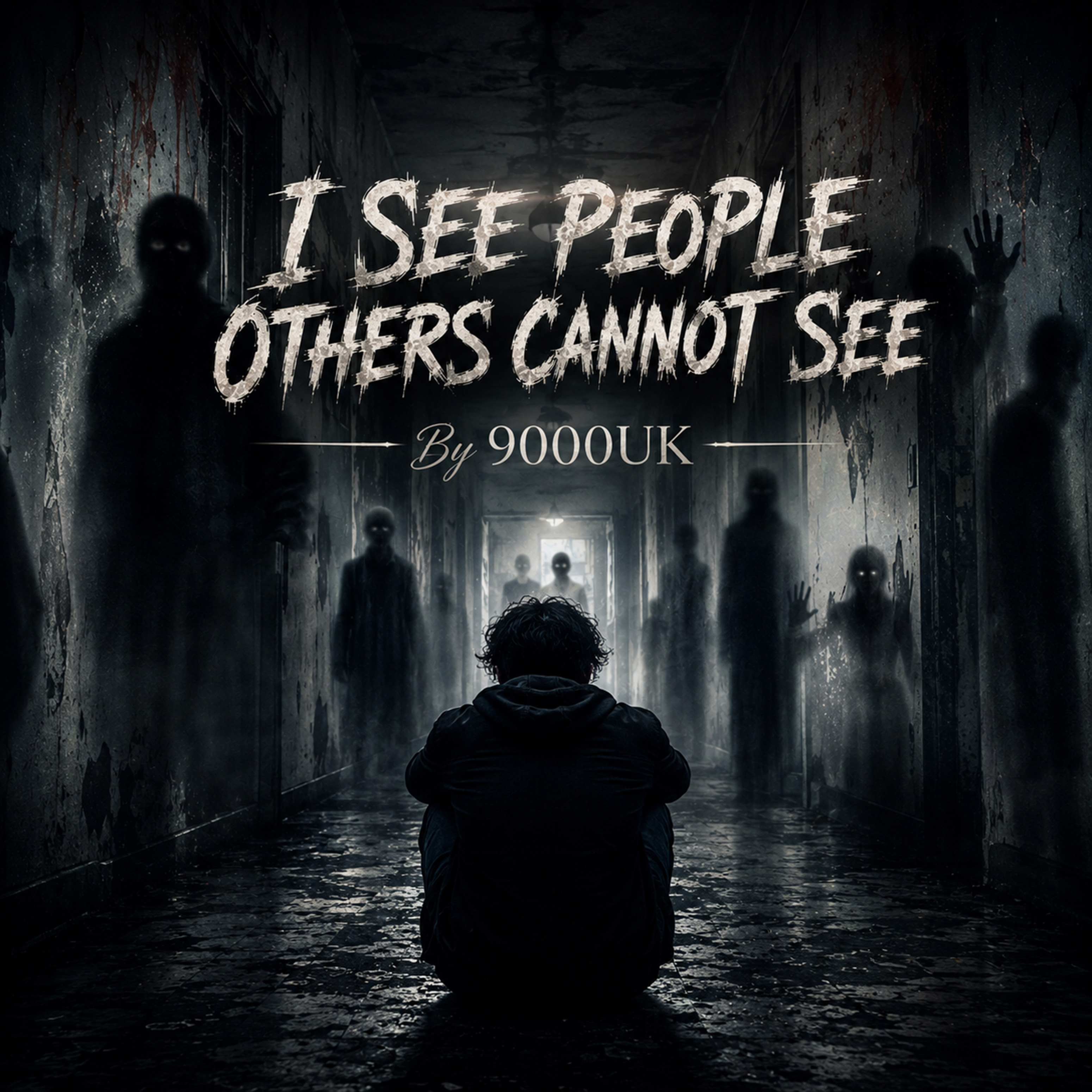


Do Not Stay
A dark, urgent warning about a nightmarish liminal space that consumes those who linger, where reality distorts and escape becomes impossible as time itself works against you.
Do Not Stay plunges listeners into a suffocating psychological thriller rendered in stark, visceral imagery. The track constructs a nightmarish liminal space—a place with no doors, no windows, no escape—where the very architecture conspires against those trapped within. Through relentless verses packed with haunting detail, the narrator issues desperate warnings about a location that knows your name, where shadows refuse to behave naturally and footsteps echo through impossible silence. The song's genius lies in its exploration of temporal decay and identity dissolution: every moment spent in this cursed space strips away another piece of the self, transforming visitors into echoes and erasing their existence from memory. The imagery of ash-covered boots, blood-stained floors, and walls that physically bend reality creates a claustrophobic atmosphere that intensifies with each passing line. The recurring motif of failed safe houses and buried voices that claw back through the cracks speaks to trauma that cannot be escaped, histories that refuse to stay buried. The bridge's revelation that screams loop endlessly and names lose meaning captures the ultimate horror—cyclical entrapment where linear time collapses. The narrator's warning carries the weight of someone who has witnessed others succumb to this place, their absences marked only by bloodstains and folklore. The whispered outro delivers a chilling paradox: the urgent command to leave coupled with the resigned admission that it may already be too late. Do Not Stay functions as both supernatural horror and metaphor for psychological entrapment, addiction, or toxic environments that slowly consume identity while making escape feel impossible.
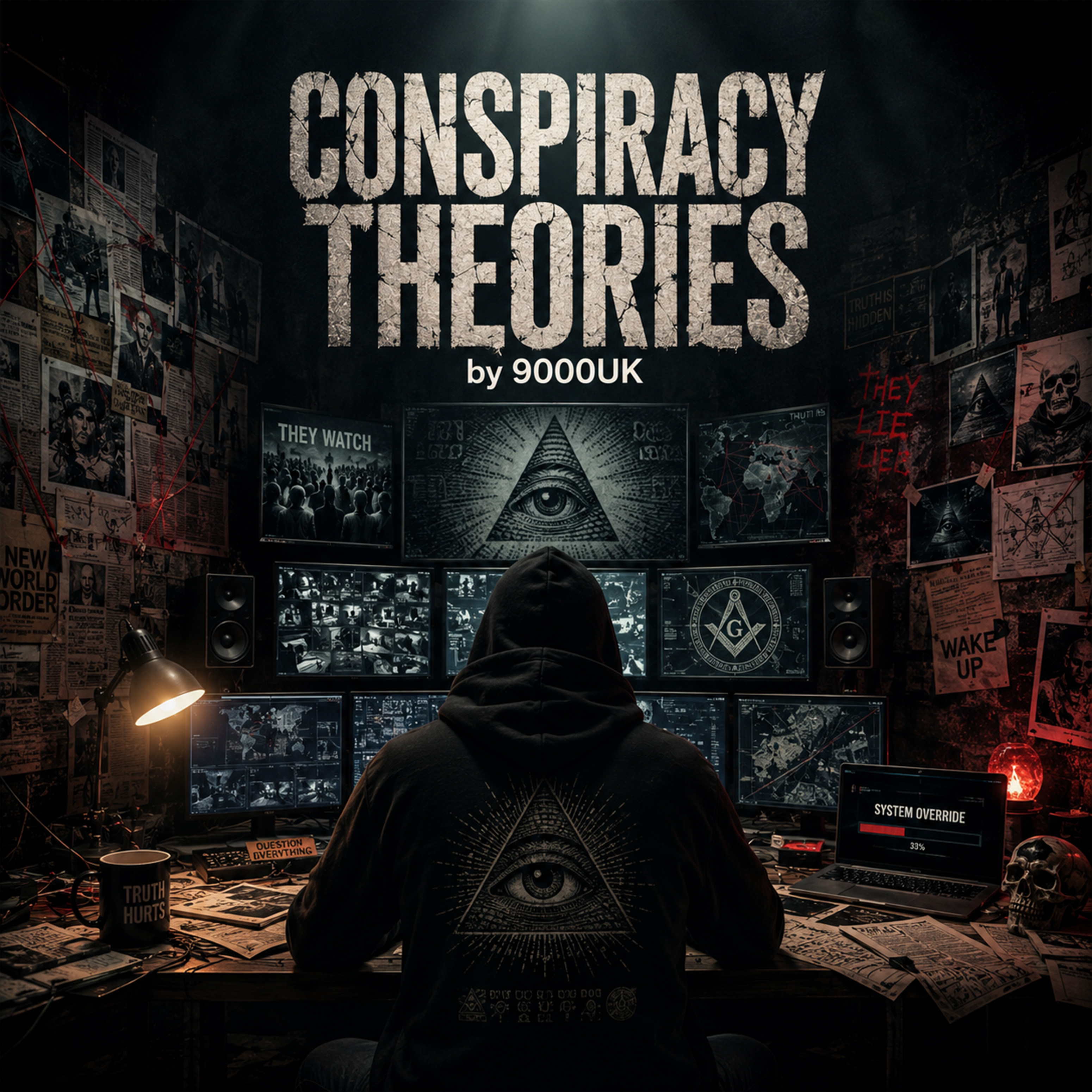
Conspiracy Theories
A dark, paranoid journey through surveillance culture, institutional conspiracy, and hidden power structures, delivered with relentless lyrical intensity and dystopian imagery.
Conspiracy Theories by 9000UK is a visceral descent into the shadowy intersections of surveillance, power, and paranoia. Written by Ioannis Ntizoglou under the Absurd Core banner, the track constructs a dystopian narrative where every technological convenience becomes a tool of control, and every institution masks deeper machinations. From the opening warning—'You ever feel like the walls got ears?'—the song establishes an atmosphere of pervasive mistrust, where even one's shadow seems complicit in observation.
The verses paint vivid scenes of modern surveillance culture: satellite feeds, wiretaps, CCTV cameras that wink rather than glitch, and barcodes that commodify human souls. The imagery shifts seamlessly between concrete contemporary references (algorithms, dark web, digital dust) and timeless symbols of occult power (Freemason rings, pyramids pulsing with electric code, old gods inhabiting satellite networks). This blending creates a narrative where ancient conspiracy and modern technology are two faces of the same controlling force.
The song's emotional core oscillates between defiance and dread. The protagonist positions himself as a truth-seeker who 'sees through smoke' and reads the hidden scripts, spitting flames through the system's prism while others remain blind. The bridge's revelation—'They told us silence is peace! But I hear screams in the static'—captures the tension between manufactured complacency and suppressed horror. The outro's declaration 'I do war in the depth of the twisted mind' frames conspiracy theory not as passive belief but as active resistance, a cognitive battleground where truth walks a razor's edge between revelation and death. The track's relentless rhythm and sharp wordplay mirror the paranoid vigilance it describes, creating an immersive sonic experience of living under constant, invisible scrutiny.

Breathe
A powerful anthem of resilience and survival, 'Breathe' chronicles the journey from trauma to triumph, using breath as a metaphor for perseverance through pain, pressure, and spiritual warfare.
'Breathe' by 9000UK is a visceral exploration of survival, resilience, and spiritual fortitude in the face of overwhelming adversity. Written by Ioannis Ntizoglou under the Absurd Core lyrical framework, the track transforms the simple act of breathing into a defiant proclamation of existence and resistance. The song charts a narrative arc from suffering to transcendence, where each breath becomes both weapon and prayer, a deliberate choice to continue fighting despite the weight of trauma and hardship.
The imagery throughout is stark and powerful: walking through shadows with fire in lungs, breathing smoke from drum barrels, and rising despite tears. The metaphor of pressure creating diamonds speaks to transformation through adversity, while references to praying with blood and talking to the sky during silence establish a spiritual dimension to the struggle. The protagonist exists in a liminal space between life and death, walking with ghosts, dancing with darkness, and moving in midnight trances under angelic observation. This isn't mere survival—it's a conscious transmutation of pain into power, where breath itself becomes an oath and every step plants seeds for future growth.
The hook's repetitive mantra of 'Breathe' functions as both meditation and battle cry, emphasizing the internal war that rages within the chest. The breaking of chains and the freed dream represent liberation from mental, emotional, or circumstantial bondage. The bridge escalates the defiance: where others demand quiet, the protagonist delivers thunder, speaking low but shaking the foundations nonetheless. Born from hunger rather than privilege, this breath—this life force—is earned through struggle. The track's Absurd Core aesthetic embraces the paradox of finding meaning and strength in chaos, pain, and the seemingly senseless battles of existence, ultimately arriving at a place where fear dissolves in the face of internalized fight and spiritual conviction.
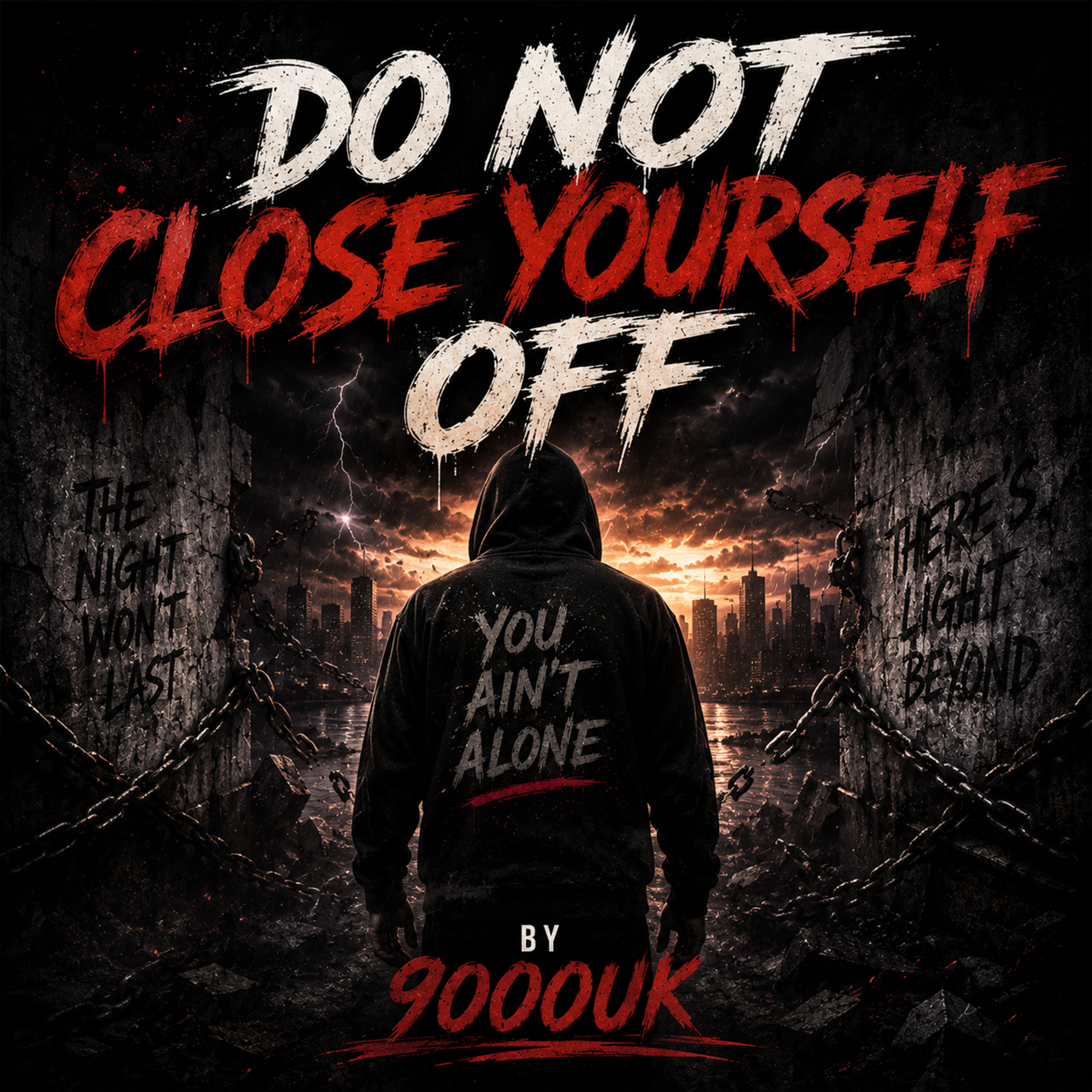
Do Not Close Yourself Off
A powerful anthem about breaking free from mental isolation and inner demons, urging listeners to resist fear, embrace hope, and accept support in their darkest moments.
Do Not Close Yourself Off is an emotionally charged exploration of mental health struggles and the crucial importance of remaining open to connection during times of darkness. Written by Ioannis Ntizoglou under his Absurd Core lyrical style and performed by 9000UK, the track confronts the claustrophobic reality of depression, anxiety, and emotional isolation with raw honesty and unflinching directness. The opening verse establishes a visceral sense of confinement through imagery of cages, storms, and crowds, painting a portrait of someone battling internal demons while feeling simultaneously trapped and lost. The whispers in the dark and echoes that scream create a paradoxical soundscape where silence becomes deafening, perfectly capturing the disorienting nature of mental anguish. The pre-chorus intensifies this suffocating atmosphere with walls closing in and breath getting tight, physical manifestations of panic and despair. Yet even in these darkest moments, a glimmer of guidance emerges, the pivotal message that light exists beyond the shadows if one can only let go of fear. The chorus serves as both plea and promise, a lifeline extended from one soul to another. The central directive not to close yourself off becomes a mantra of survival, a recognition that isolation is the enemy and connection is the cure. The reassurance that night won't last and day will come offers temporal perspective to those lost in seemingly endless darkness. The fire inside represents the inextinguishable spark of life and will that persists even when dimmed, while the extended hand symbolizes solidarity and the power of human support. The second verse deepens the narrative with shattered reflections and haunted futures, suggesting how trauma and past pain distort self-perception and poison hope for tomorrow. The chains of pain are acknowledged as real and binding, yet hope is personified as an active force still calling, still fighting for attention despite being drowned out by suffering. The bridge marks the emotional turning point, shifting from defensive survival to active resistance. The heat and flames transform from destructive forces into purifying, empowering energy. The call to stop running and stand up and fight reframes the struggle not as something to endure passively but as a battle to engage with courage. The revelation that shadows fade when you face the truth speaks to the therapeutic power of confronting rather than avoiding pain, while the final promise you ain't alone, I'll pull you through reinforces the song's core message of interconnection and mutual support. Throughout the track, 9000UK delivers an anthem for anyone grappling with mental health challenges, acknowledging the very real terror and pain of those experiences while insisting that closing oneself off is not the answer. The repeated outro reinforces the title's urgent imperative, leaving listeners with a resonant call to remain open, to reach out, and to remember that even in the deepest darkness, there are hands willing to pull you through.
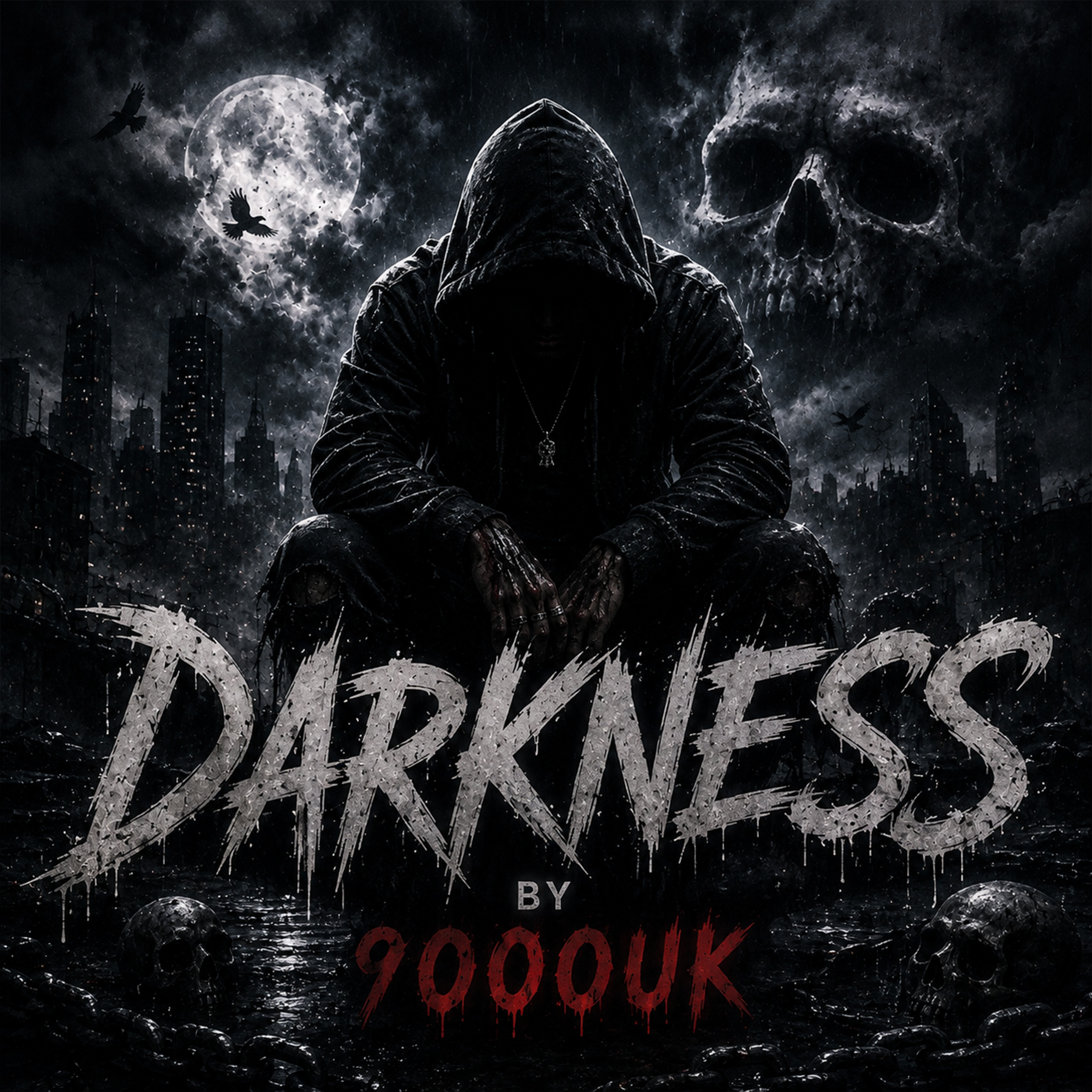
Darkness
A harrowing descent into psychological torment, 'Darkness' chronicles the struggle against inner demons, regret, and spiritual isolation, ultimately depicting a soul's surrender to despair and its acceptance of darkness as identity.
'Darkness' by 9000UK is an unflinching exploration of mental anguish and existential despair, penned by Ioannis Ntizoglou under the Absurd Core banner. The track plunges listeners into a visceral journey through psychological breakdown, where the protagonist finds themselves trapped in an inescapable void of torment. From the explosive opening declaration, the song establishes its central conflict: a soul running from itself, pursued by shadows that whisper accusations and demons that have infiltrated the bloodstream. The imagery is deliberately claustrophobic and violent, painting a portrait of someone whose reflection reveals only decay and whose every attempt at freedom is met with unyielding chains.
The verses construct a narrative of compounding trauma, where past sins and regrets manifest as physical sensations—blood on hands, death's laughter echoing with each step. The spiritual dimension is particularly striking: prayers go unanswered, light remains absent for weeks, and the protagonist finds themselves stranded 'on the other side,' suggesting a descent beyond redemption. The haunting admission 'I sold my soul for empty peace' captures the futility of past bargains and the hollowness of attempted escape. The song's religious imagery—or rather, the absence of divine intervention—amplifies the sense of abandonment and isolation.
Musically and lyrically, 'Darkness' progresses from resistance to acceptance. The chorus structure evolves from identifying darkness as 'my enemy' to the devastating acknowledgment that 'now it's part of me,' charting the psychological transformation from victim to host. The outro's resignation—'Ain't no savin' me now'—completes this arc with finality. The track's power lies in its raw honesty about mental health struggles, the weight of regret, and the terrifying moment when one's demons become inseparable from one's identity. It's a stark, uncompromising meditation on despair that refuses to offer false hope or easy resolution.