
Discography

Discography
Browse the complete 9000UK discography, featuring original music across multiple genres. This catalogue includes experimental works, genre-blending tracks and evolving creative releases.
Full Music Catalogue
- All
- AbsurdCore
- Afrobeats
- Amapiano
- Ambient
- Ballad
- Blues
- Calming Music
- Christian
- Classical
- Country
- Dance
- Dark
- Dark Electronic
- Dark Trap
- DUB
- Easy Listening
- EDM
- Electronic
- Experimental Pop
- Folk
- Funk
- Gospel
- Gospel Blues
- Greek Music
- Grime
- Hip-Hop
- Hyperpop
- Indie
- J-Pop
- Jazz
- Just Music
- Lo-Fi
- Love Song
- Metal
- Minimal Techno
- Orchestral
- Pop
- Punk
- R&B
- Rap
- Reggae
- Relaxing
- Rock
- Soft Rock
- Soul
- Spiritual
- Stress Relief
- Trap

Ellada
Ellada - Ελλάδα Μου is an emotional Greek zeibekiko tribute expressing deep love for Greece, blending memories, loss, nostalgia, and healing through music, homeland, and cultural identity.
Ellada - Ελλάδα Μου is a deeply personal Greek folk and zeibekiko tribute that explores the powerful emotional bond between an individual and their homeland. Through themes of nostalgia, longing, remembrance, and devotion, the song presents Greece as both a source of pain and a source of healing, capturing the complex relationship many people feel toward the place that shaped them.
The opening verses establish a reflective atmosphere filled with loneliness, sorrow, and personal struggle. The narrator recalls growing up surrounded by silence and hardship, finding comfort in the sound of zeibekiko music. The transformation of wounds into prayer through music introduces one of the song's central ideas: suffering becomes meaningful when connected to memory, culture, and identity.
Throughout the lyrics, Greece is portrayed as a living presence rather than merely a country. The repeated cries of "Ελλάδα μου" elevate the homeland into a symbol of love, belonging, and spiritual refuge. The powerful phrase "της καρδιάς μου φυλακή και γιατρικό" presents Greece as both a prison and a cure, expressing the emotional contradiction of being forever bound to one's roots while also drawing strength from them.
The references to Glyfada's streets, beaches, friendships, lost loves, and shared experiences create vivid imagery of a life deeply intertwined with specific places and memories. These locations become emotional landmarks, preserving moments of joy, heartbreak, and personal growth. The beaches and narrow streets symbolise the passage of time, while the scars and tears represent experiences that continue to shape the narrator's identity.
Zeibekiko serves as the song's emotional and cultural foundation. More than a musical style, it becomes a ritual of remembrance and survival. The repeated dedication of the dance to those who have left and will never return introduces themes of loss, migration, separation, and mortality. Through the zeibekiko, absent friends, lost loved ones, and former chapters of life remain present.
The chorus expands the song's emotional reach by portraying Greece as a guiding force that illuminates darkness, heals emotional scars, and provides strength against life's challenges. The homeland becomes a source of resilience and wisdom, teaching the narrator how to confront inner struggles and endure difficult times. These lines transform the song from a simple tribute into a declaration of gratitude and lifelong loyalty.
Emotionally, the track balances melancholy, pride, devotion, and longing. It carries the atmosphere of a late-night zeibekiko performed for memories that refuse to fade. The repeated cries of love toward Greece create a sense of catharsis, allowing personal pain to be expressed openly and transformed into appreciation.
At its core, Ellada - Ελλάδα Μου is a love letter to homeland, memory, and identity. It honours the people, places, experiences, and traditions that remain alive within the heart long after time has passed. The song celebrates Greece not only as a physical place but as an enduring emotional home that continues to guide, comfort, and inspire those who carry it within them.

Mamzoon Samzoom
A high-speed rap track built around street racing energy, where control, risk, and dominance define identity and momentum.
Written by Ioannis Ntizoglou: owner of Royalties 2025 all rights reserved
Mamzoon Samzoom - Car Race Rap Energy (By 9000UK)
(Lyrics by Ioannis Ntizoglou – Rap)
This track is driven by motion, control, and intensity. The racing theme is not decorative. It carries the entire structure. Speed becomes identity, and the road becomes a space where dominance is proven rather than claimed.
The intro sets the tone immediately. Engine noise, flashing lights, and urgency place you inside the race without delay. “Mamzoon samzoom” works as a rhythmic signature. It is not lyrical depth, but it is memorable and built for repetition. That matters for energy-based rap.
Verse 1 is focused and consistent. The imagery stays within the driving environment. Ignition, dashboard, tyres, mirrors. You avoid breaking the theme, which strengthens the track. The line about the mirror showing fear works well. It creates a sense of competition without naming an opponent directly.
The pre-chorus is functional. It builds tension through rhythm and repetition. Heartbeat and RPM syncing is a strong connection between body and machine. This is one of the better conceptual elements in the track.
The chorus is clear and effective. It reinforces speed, dominance, and forward motion. “Never coming in last” is predictable, but it fits the tone. The second part of the chorus adds identity with “king of the street.” This is where the track defines position.
Verse 2 maintains structure without drifting off theme. Gear shifting, adrenaline, control. The consistency is a strength, but it also creates a limitation. There is no escalation from Verse 1. The same energy is repeated rather than increased.
The outro closes correctly. It reduces intensity while keeping the idea alive. “Race never ends” works as a continuation rather than a conclusion.
The strength of this track is focus. You stay inside the racing metaphor from start to finish. That gives it clarity and direction.
The limitation is progression. The energy level stays flat. There is no moment where the track lifts beyond its initial state. For a racing concept, you expect acceleration, a peak, then release. Here, it stays at the same speed.
If you want to improve it, introduce a clear escalation point. Either increase aggression in Verse 2 or add a breakdown before the final chorus to create contrast.
Overall, this is a solid, high-energy rap track with a strong central theme and consistent execution. It works best in performance or high-tempo settings where repetition and rhythm matter more than lyrical complexity.
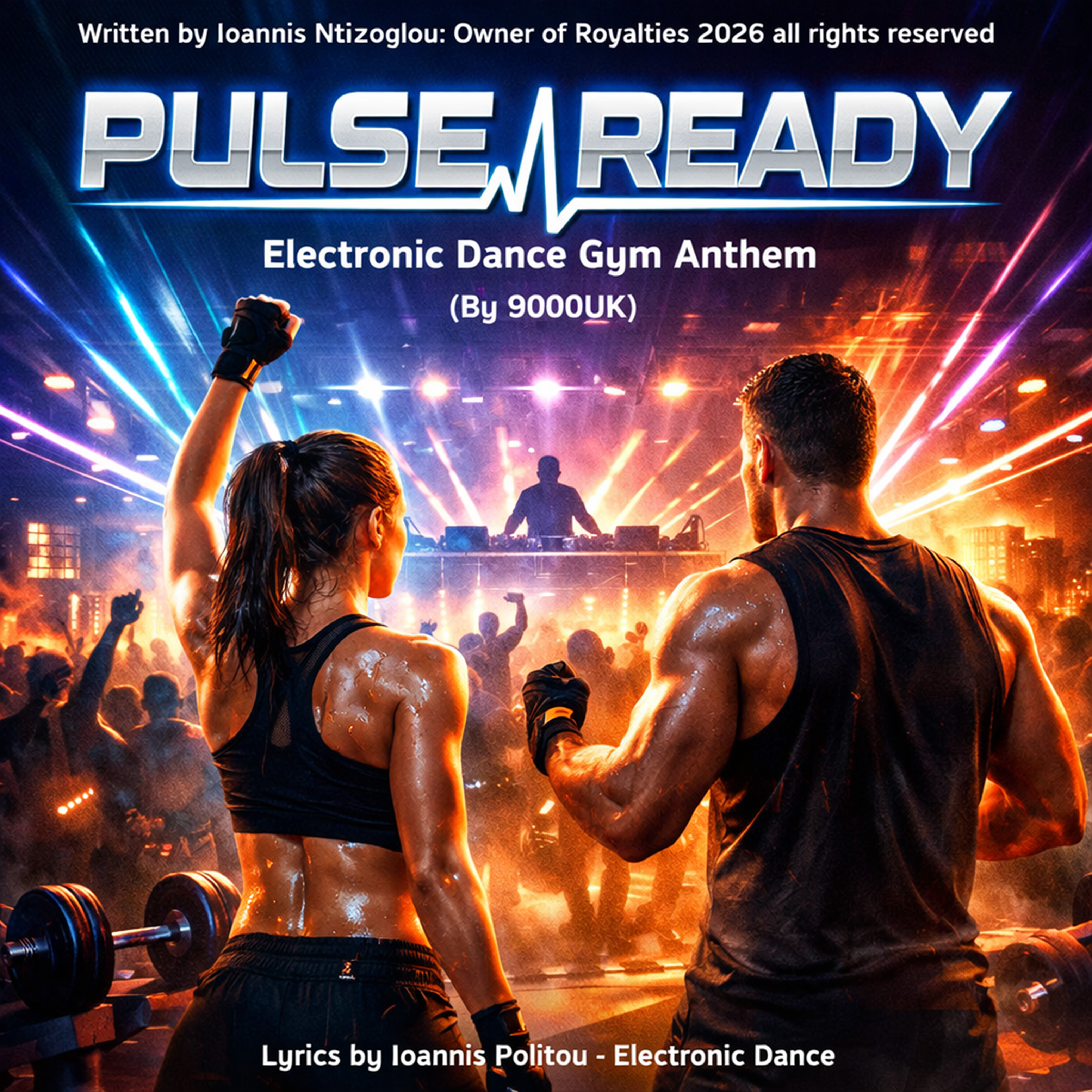
Pulse Ready
An electronic dance anthem built for high-intensity training, capturing physical drive, rhythmic focus, and the mental lock-in where sound and movement merge.
“Pulse Ready – Electronic Dance Gym Anthem” centres on physical activation through rhythm and repetition. The intro drops you straight into exertion, where lights, vibration, and breath align before conscious thought. There is no preparation phase, only immediate engagement, reinforcing a mindset shaped by action rather than buildup.
The verses translate workout mechanics into sensory detail. Sweat, mirrors, muscle burn, and counting reps frame effort as constant feedback. Sound functions as a structural force, lifting weight, setting posture, and sustaining momentum. Neon light and snapping kick drums sharpen focus, while doubt is treated as something overridden through motion rather than addressed directly.
The pre-chorus marks the mental switch. Tempo replaces deliberation, and control shifts from thought to rhythm. Limits bend as the beat dictates pace, suggesting endurance comes from synchronisation rather than raw force.
The chorus delivers the central release point. Drive, strain, and power circulate through the body as a closed loop, amplified at the drop. Energy feels contained and purposeful, with intensity held rather than spent. The repeated emphasis on presence underlines training as an immersive state rather than a passing moment.
In the second verse, precision increases. Synths and bass guide timing, while silence disappears entirely. Strength builds collectively within the shared space, yet focus remains internal and disciplined. The outro resolves with recovery rather than collapse. Breath slows, sound recedes, and strength stays embedded. The emotional tone remains controlled, motivating, and physical, aligning electronic movement with sustained performance and bodily commitment.
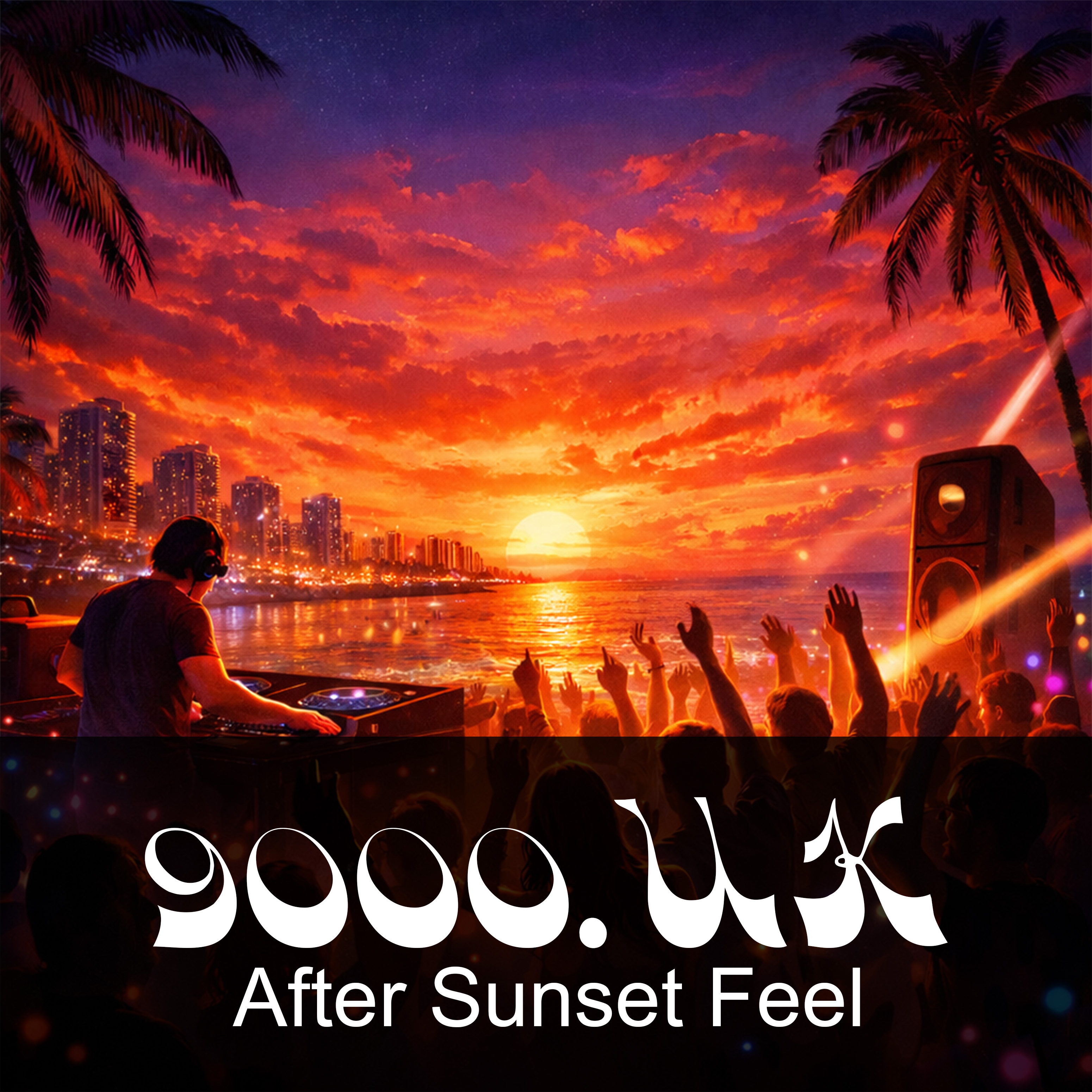
After Sunset Feel
A sleek funky house track capturing the calm lift and shared freedom of evening transitions, where rhythm, warmth, and light draw people into a single, unguarded night.
After Sunset Feel is built around atmosphere and release, focusing on the shift from day to night as a space for connection and movement. The setting blends warm sand, city lights, water, and neon, creating a smooth, open environment where tension fades and rhythm takes control. The song avoids narrative complexity, choosing clarity, repetition, and sensation as its core drivers.
The verses establish a relaxed physical presence. Feet on sand, slow breathing cities, steady bass, and half-dream states frame a moment where time aligns and effort drops away. Language stays light and direct, mirroring the functional role of the track as an ad-ready hook designed to feel immediate and inviting.
The chorus carries the emotional centre. After sunset becomes both a time marker and a signal for openness. Hearts and skies open together, suggesting shared experience rather than individual expression. Movement is collective, guided by sound rather than words, reinforcing unity and ease.
Verse two deepens the visual palette with neon reflections and golden-hour tones. Truth appears through rhythm, not dialogue, emphasising music as the primary communicator. Disguise and heaviness are removed, leaving only motion and light.
The repeated structure reinforces memorability and accessibility, essential to its purpose as a house-driven promotional track. The outro strips the message down to its core phrase, allowing the feeling to linger without resolution. Overall, the song functions as a clean, modern groove built for lifestyle, nightlife, and summer-focused visuals, where emotion is conveyed through flow, warmth, and repetition rather than story.

Take Me
“Take Me” is a modern pop love anthem about surrendering to attraction and momentum, capturing the rush of connection that pulls two people beyond fear, hesitation, and the noise of the city.
“Take Me” is a sleek, emotionally charged pop track that explores desire as movement—an irresistible pull toward connection, clarity, and belonging. Set against a backdrop of glowing city lights and late-night energy, the song captures the moment when uncertainty gives way to instinct and the heart chooses momentum over restraint.
The intro establishes a nocturnal, cinematic atmosphere where desire simmers quietly rather than explodes. City lights and racing heartbeats frame attraction as both intimate and expansive, suggesting a private emotional shift unfolding within a public, electric world.
Verse 1 introduces the central figure as a catalyst—someone whose presence feels communicative and transformative. Neon imagery and unspoken promises position attraction as something intuitive rather than verbal, while the narrator admits to having lived in emotional limbo before this encounter. The tone is not reckless, but awakening: a recognition of something real that disrupts routine and indecision.
The pre-chorus marks the internal turning point. Resistance fades as the pull becomes undeniable, signalling emotional consent rather than impulse. This sense of alignment carries into the chorus, where “Take me” functions as both invitation and surrender. The lyrics frame love as escape—not from responsibility, but from fear, silence, and emotional confinement. Energy, fire, and heartbeat imagery reinforce the physical and emotional intensity of connection.
Verse 2 deepens the sense of inevitability. The love interest is described as light in darkness, colour in half-shadows—someone who brings fullness and definition to an otherwise muted world. The language of fate and slow-motion impact suggests that this connection feels both sudden and long-awaited, powerful yet strangely familiar.
The repetition of the chorus reinforces desire as commitment rather than momentary thrill. Being “taken” is not about loss of self, but arrival—reaching a place where emotion, rhythm, and purpose align.
The outro resolves the song with release. Nights “obey”, rhythm leads, and control is willingly loosened, closing the track on a note of trust and immersion. The journey ends not with certainty about the future, but confidence in the present feeling.
Overall, “Take Me” is a polished pop expression of attraction and emotional surrender, balancing intensity with clarity. It captures the universal moment when connection feels inevitable—when the heart recognises where it is meant to be and chooses to follow without looking back.

Game Day Surge
“Game Day Surge” is an industrial trap anthem capturing the explosive adrenaline, discipline, and collective energy of competition, where pressure, focus, and raw momentum collide at the moment it matters most.
“Game Day Surge” is a high-intensity industrial trap track built around the physical and psychological charge of competition. From the opening moments, the song immerses the listener in a charged arena where dust, sound, and heartbeat merge, establishing a landscape driven by anticipation, pressure, and imminent release.
The lyrics focus on momentum as both force and mindset. Verse 1 frames movement as power—boots striking turf become shockwaves, and each second carries purpose. There is no hesitation here; action is decisive, forward, and relentless. The imagery suggests discipline forged under pressure, where effort accumulates into something unstoppable.
The pre-chorus acts as a psychological switch, emphasising commitment and point-of-no-return intensity. “Power stacking, no reverse” conveys a mentality of total engagement—once activated, the energy cannot be dialled back. This feeds directly into the chorus, which functions as the song’s core adrenaline burst. “Game day surge” becomes shorthand for peak performance: the moment when grind converts into “beast mode” and effort ignites into raw execution.
Verse 2 shifts inward, turning the body itself into a battlefield. Drums inside the ribcage, sharpened focus, and erupting crowds blur the line between internal drive and external chaos. The phrase “battle rhythm, warlike peace” captures a paradox central to competitive flow—violence and control coexisting, where clarity is found inside intensity.
Repetition of the chorus reinforces endurance and sustained pressure rather than a single spike of excitement. This is not a fleeting rush, but a maintained overload designed to carry through the entire contest. The outro resolves the track with controlled triumph: energy peaks, victory approaches, and resilience is affirmed as “unbreakable, pure”.
Overall, “Game Day Surge” is less about winning itself and more about the state required to earn it. It channels focus, aggression, unity, and discipline into a sonic representation of peak performance—where preparation meets the moment, and pressure becomes power.
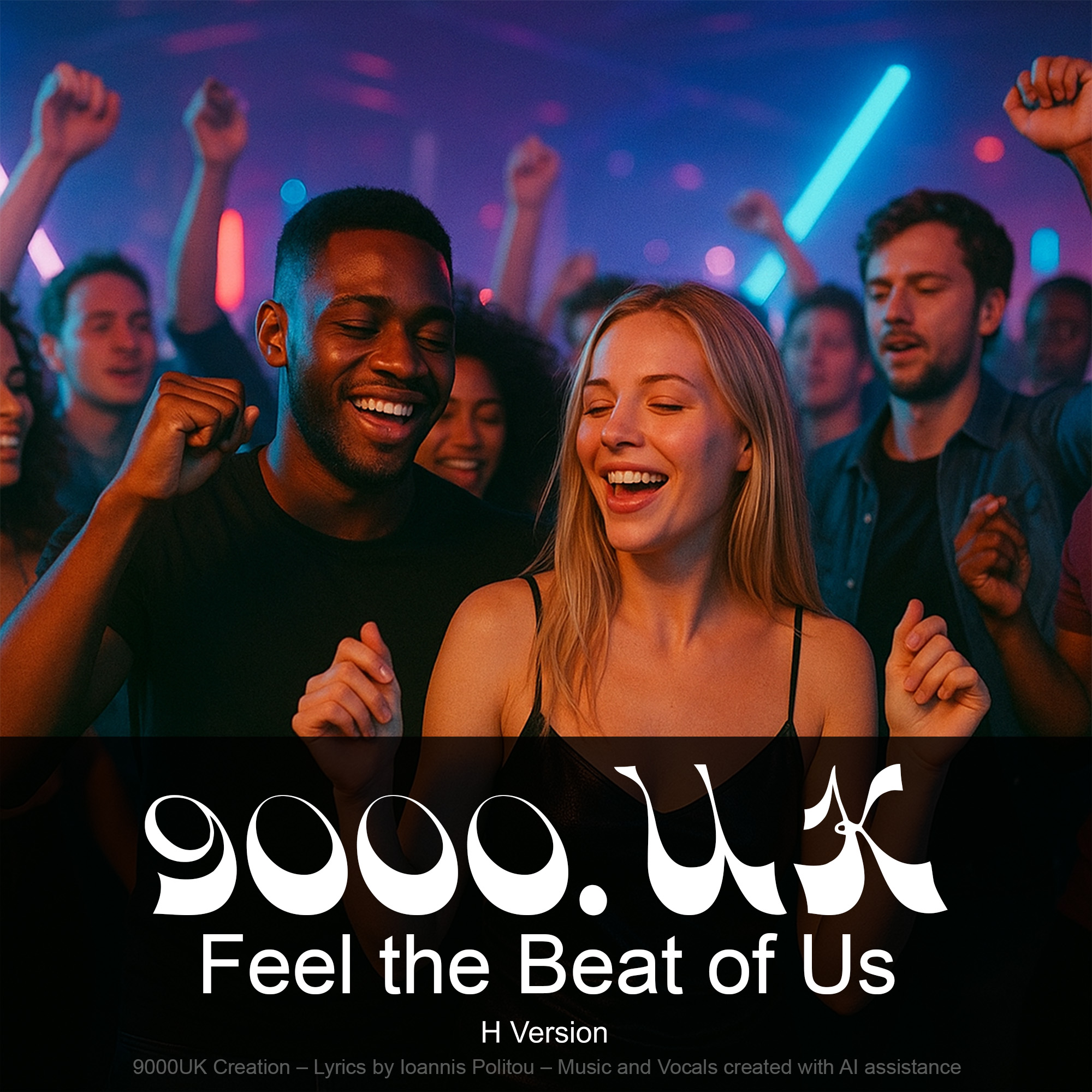
Feel The Beat Of Us
An upbeat pop dance track capturing two people merging through rhythm, movement, and shared energy on a night where music, connection, and youthful freedom take full control.
Feel the Beat of Us centres on collective energy, physical closeness, and emotional sync created through music and movement. The song places the listener inside a night-time setting where lights dim, sound rises, and attention narrows toward a shared moment. From the opening lines, intimacy builds through atmosphere rather than dialogue, with sparks, electric hearts, and a quiet anticipation replacing words.
The verses frame rhythm as a physical force. Bass travels through the body, control slips, and desire appears through glances and motion rather than explicit statements. The city becomes an active backdrop, moving beneath their feet, reinforcing the idea that the environment responds to their connection. Time compresses, plans dissolve, and the present moment takes priority. Dancing functions as both expression and release, allowing the pair to explore freedom without hesitation or reflection.
The chorus defines the core theme, unity through sound. “The beat of us” represents a shared pulse where individual identities blend into one experience. Love spreads through movement, lights react, and energy multiplies as the music grows louder. The repeated reference to electric hearts and unstoppable sparks turns emotion into voltage, portraying attraction as something charged, kinetic, and impossible to ignore.
In the second verse and bridge, youth and vitality take centre stage. Glitter, frozen moments, and amplified seconds underline a desire to hold onto intensity before it fades. Eye contact replaces language, suggesting mutual understanding without explanation. Music becomes destiny rather than background, wiring the two together “soul to soul”, while the breakdown strips the track to heartbeat and glow, reducing everything to pulse and presence.
Emotionally, the song carries exhilaration, closeness, and release. There is no conflict or doubt, only momentum and shared motion. The final chorus and outro reinforce permanence within the moment, letting the rhythm play on as a symbol of connection unbound by time. Feel the Beat of Us presents dance music as a space where attraction, freedom, and identity fuse, driven by sound, light, and collective heartbeat.

Binary Pulse
A minimal tech track exploring the fusion of human emotion and digital systems, where code, rhythm, and connection form a shared futuristic consciousness.
Binary Pulse presents a sleek, restrained vision of technology as something alive, responsive, and quietly emotional. The song places the listener inside a synthetic environment built from neon light, glass surfaces, and flowing data, where systems do more than operate, they sense and evolve. From the opening lines, sound and circuitry merge, suggesting a world where information moves with organic rhythm.
The first verse establishes emergence. Breath and spark introduce life into a digital body, with veins of data replacing blood. Logic operates in harmony rather than rigidity, and thinking becomes a shared process rather than a solitary one. The track frames intelligence as growth through connection, not dominance or control.
The pre-chorus captures a central tension. Emotion exists within structure, wired and refined, precise yet present. Connection does not erase individuality. Standing alone and connecting coexist, reinforcing balance between autonomy and networked identity.
The chorus defines the song’s philosophy. Binary pulse symbolises a steady exchange between opposites, zero and one, human and machine, restraint and imagination. Minimal hearts suggest reduced noise rather than reduced feeling, where clarity replaces excess. Innovation is framed as perception shaped through observation and intent.
Verse two deepens the atmosphere. Precision and warmth sit side by side, with glowing beats and silicon imagery grounding the track in physical texture. Sound becomes a bridge rather than a statement, filling the space between thought and sensation. The environment feels clean, controlled, and reflective rather than cold.
The final chorus reinforces continuity. The future is not distant or dramatic, it is already present, unfolding through refined systems and shared awareness. Identity reshapes through interaction with technology rather than opposition to it.
The outro strips everything back. Language fades, sound dissolves, and energy remains. Breathing systems and human presence align, leaving a sense of quiet recognition. Binary Pulse stands as a minimal tech meditation on evolution, connection, and the calm intelligence found where humanity and code meet.
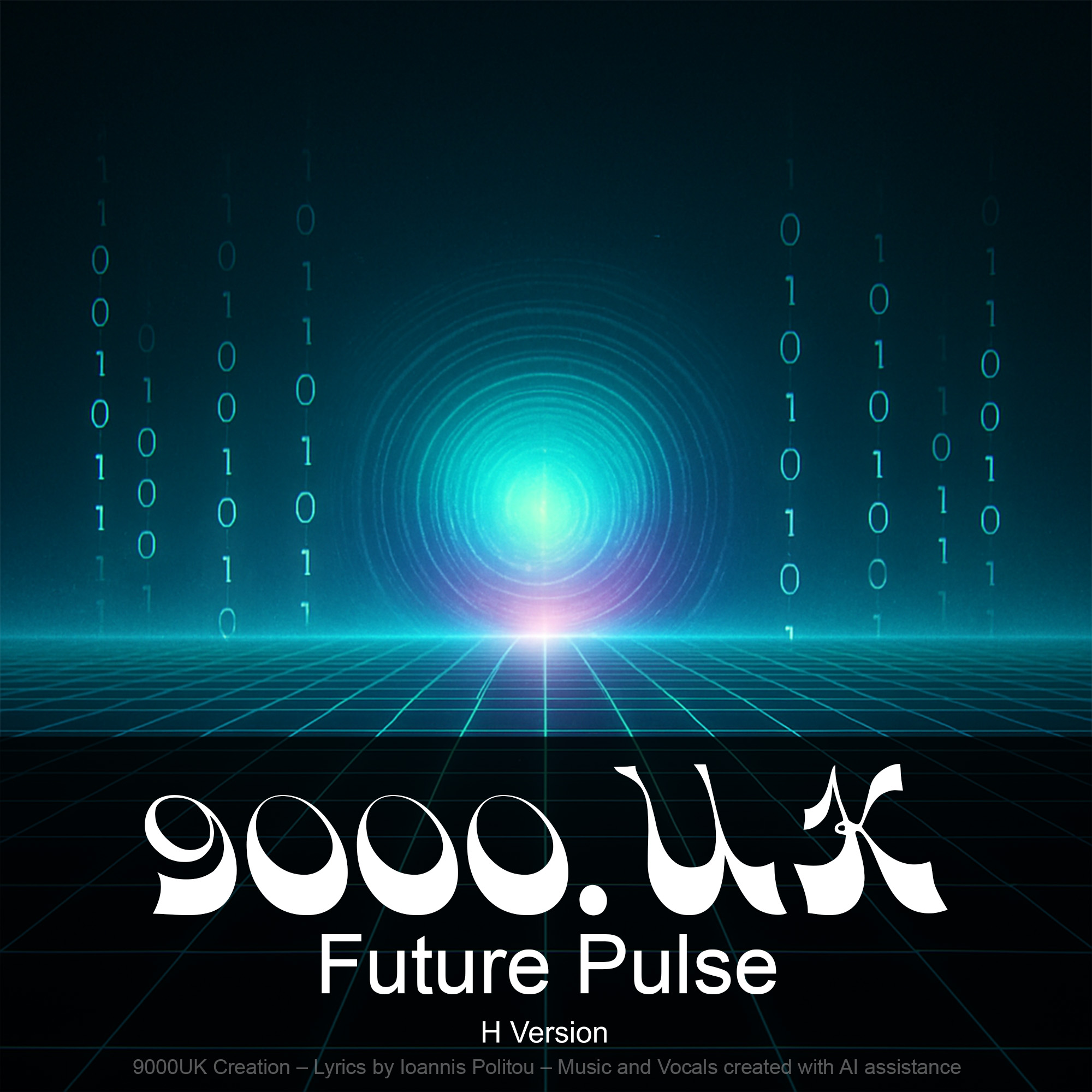
Future Pulse
A minimal electronic track about connection, signals, and forward momentum, using sharp vocal fragments to express the energy and precision of stepping into the technological future.
Future Pulse uses sparse lyrics as rhythmic instruments. The song relies on short, repeated phrases rather than narrative lines. These fragments create a mechanical chant, reflecting digital culture and coded communication. The counting sequence of one and zero acts as a symbol for binary language, the foundation of modern technology.
The vocal phrases function like signals sent through open space. Words like connected and precision suggest movement guided by accuracy and intention. Each exclamation of future feels like a burst of electric anticipation, a reminder that time is always shifting ahead.
There is no traditional story. Instead, the theme focuses on progress and constant motion. Tomorrow in motion reinforces faith in what lies ahead, while the repeated assertion starts now pulls the listener into the present moment. Connection becomes both a technical and emotional idea, people linked through networks, devices, and shared energy.
The outro repeats the word future as an echoing pulse. It closes the track the same way it began, as a looped mantra pointing forward. The emotional tone is energetic, confident, and deliberate, matching the clean aesthetic of minimal electronic music.